 Skip to content



A garage door opener should move the door smoothly from the floor to the correct open position. It should stop at the right height, close without hitting the floor, and reverse when something blocks the doorway. When the settings are wrong, the door may stop too early, open only partway, hit the floor, or go back up after closing. The opener may also strain, make loud sounds, or fail to respond as expected.
A professional Garage Door Opener Adjustment can help correct these problems. However, the opener should not be adjusted until the full garage door system has been checked. A broken spring, bent track, worn roller, or damaged cable can create the same signs. Supreme Garage Door Repair can inspect the door and opener to find the real cause before any settings are changed.
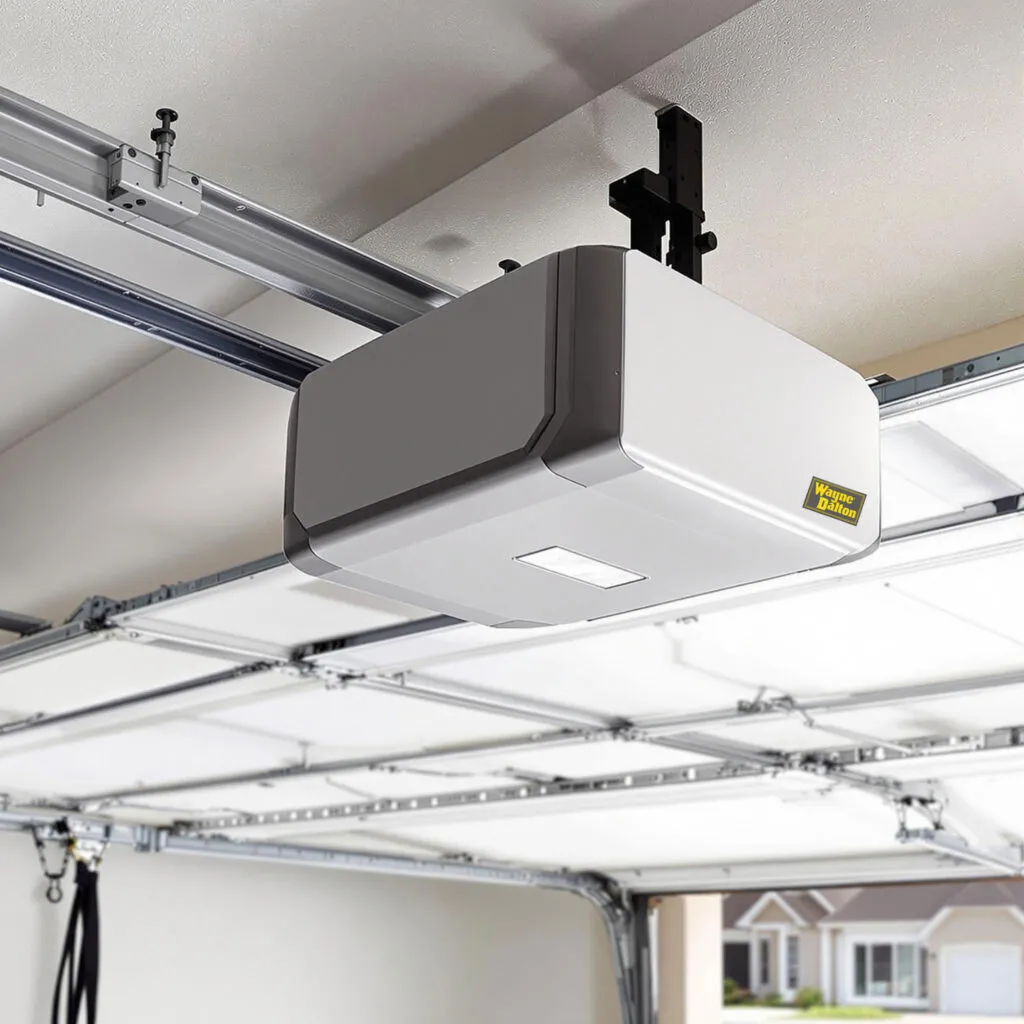
An Automatic Garage Door Opener uses a motor, rail, and drive system to control the opening and closing of the garage door. Depending on the model, it may operate using a chain, belt, screw, or wall-mounted motor system.
Key Components It Works With:
The opener does not carry the full weight of the garage door. Instead, the springs handle most of the load while the opener guides the door along the tracks for controlled movement.
When everything is working properly, the garage door should open to the correct height, close firmly without slamming, move smoothly, stop or reverse when needed, respond to all controls, and remain balanced throughout operation. If the door feels heavy, uneven, or difficult to move, the issue is often with the door system itself rather than the opener settings.
Opener adjustment means checking and correcting the controls that tell the motor how far and how hard to move the door, including the travel limits, force settings, and safety response points, so the system can open and close the garage door smoothly, stop at the correct positions, and operate safely without putting unnecessary strain on the motor or other connected components.

Common settings include:
This setting controls how far the garage door opens. If it is set too low, the door may stop before reaching the correct height.
This setting tells the opener where the floor is. If it is incorrect, the door may leave a gap or hit the floor and reverse.
This setting controls how much force the opener uses while lifting the door.
This setting controls how much force the opener uses while closing the door.
The safety sensors must face each other across the garage opening. If they are blocked or out of line, the door may refuse to close.
Older openers may use screws or dials for these settings. Newer units may use buttons, digital controls, or a mobile app. The correct steps depend on the opener brand and model. Using the wrong instructions can create more problems.
A garage door opener may need inspection or adjustment when it begins showing signs of irregular or inconsistent operation, such as stopping at the wrong height, reversing unexpectedly, struggling to lift or lower the door smoothly, responding slowly to remote or wall commands, or making unusual grinding or straining noises during use, all of which can indicate that the travel limits, force settings, or safety components are no longer properly calibrated and require professional evaluation.
Common warning signs include the following:
These signs do not always mean the settings are wrong. They may also point to worn or damaged door parts. A full inspection should be completed before the opener force is increased.
A door that closes and then opens again may have the wrong closing travel limit. The opener may think the floor is an object in the door’s path.
The same problem can also happen because of:
Start by checking the doorway for boxes, tools, toys, or other items. Clean the garage door sensor lenses with a soft, dry cloth. Do not increase the closing force just to make the door stay down. Extra force may make the safety system less effective. For more help with blinking lights and doors that will not close, read our guide about garage door blinking lights, sensor errors, and stuck doors.
A garage door that stops before fully opening is often experiencing an incorrect travel limit setting, but in many cases the real issue comes from mechanical strain within the system rather than the opener itself. For professional help, see our garage door opener repair. Weak or broken springs, damaged opener gears, loose chains or worn belts, blocked tracks, faulty rollers, an overheated motor, a damaged trolley, or an unbalanced heavy door can all prevent smooth lifting and cause the opener to stop early as a safety response. If the door only moves a few inches, continuing to press the remote can worsen the problem because the opener may be attempting to lift a door without proper spring support.
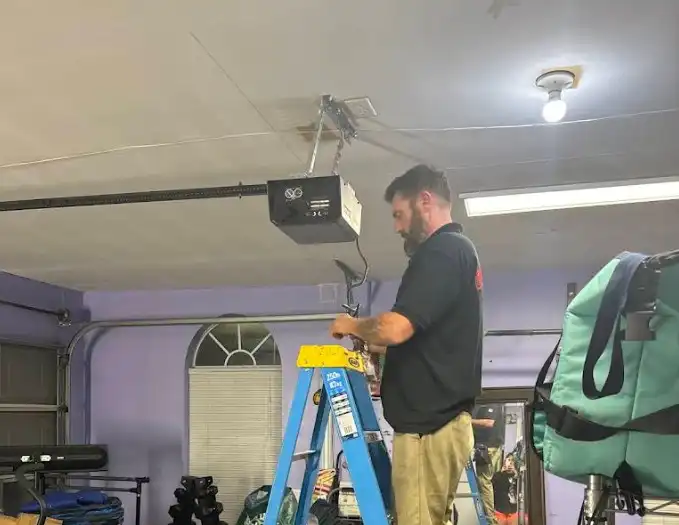
Safety sensors are installed near the bottom of both garage door tracks and work by sending an invisible beam across the opening. When the system is functioning correctly, this beam stays uninterrupted, allowing the garage door to close normally. If anything crosses or blocks the beam - such as a person, pet, vehicle, or object - the door is designed to immediately stop and reverse to prevent injury or damage.
Sensor issues can develop for several common reasons, including:
Many modern garage door openers also use blinking indicator lights to signal a sensor issue. These light patterns can vary depending on the brand, such as LiftMaster, Chamberlain, Genie, Craftsman, and others, but they generally indicate that the safety system is not properly aligned or is being interrupted. It is important never to tape over, bypass, remove, or disconnect the safety sensors. These components are a critical safety feature designed to prevent the garage door from closing on people, pets, or objects, and they should always remain fully functional and properly aligned.
Modern garage door openers have become much more advanced than traditional systems. Many units now include Wi-Fi connectivity, smartphone apps, built-in cameras, battery backup systems, guest access controls, and automatic closing schedules. These smart features are designed to improve convenience, security, and control, allowing homeowners including those in garage door repair Carrollton TX to monitor and operate their garage door from virtually anywhere.
These features may need setup or adjustment when:
When these issues occur, they are often related to network interruptions, outdated firmware, weak Wi-Fi signals, or incorrect pairing between the opener and the mobile device. In some cases, a simple reset or reconfiguration of the system can resolve the problem, while other situations may require a closer inspection of the opener’s internal settings or hardware components. You can learn more about connected features in our guide to smart garage door openers for Dallas homes.
Different opener types may need different adjustments and repairs.
These units use a metal chain. They are strong, but they may become loud when the chain is loose or the rail needs attention.
Belt-drive openers are often quieter. A loose or worn belt may cause poor movement.
These systems move a trolley along a threaded rod. Dirt, wear, or poor lubrication may create resistance.
These openers are installed beside the garage door. They use a different lifting setup and may include cable-tension controls. The opener type, age, and condition should be checked before settings are changed. Homeowners comparing two common opener brands can read our LiftMaster vs. Chamberlain guide.
The closing travel limit may be set too far. The opener may think the floor is an object. Dirty sensors, bent tracks, worn rollers, and poor door balance may also cause the door to reverse.
You may safely check the power, remote batteries, doorway, and sensor lenses. Travel and force settings should only be changed by following the correct manual. Stop if the door is heavy, crooked, or has damaged parts.
The opening travel limit may be too short. A broken spring, damaged gear, weak motor, worn roller, or blocked track may cause the same problem.
No. More force will not repair a broken spring, cable, track, or roller. It may damage the opener and reduce the safety response. The door should be inspected first.
A technician can disconnect the opener and test the door by hand. If the door feels heavy, sticks, or moves unevenly, the problem may be with the springs, cables, tracks, or rollers.
Replacement may be best when the opener is old, needs frequent repairs, lacks safety sensors, or has a failed motor or logic board. A technician can compare the repair cost with the price and benefits of a new unit.
Correct opener settings help your garage door open fully, close safely, and reverse when something blocks its path. However, settings should not be used to hide a broken spring, damaged cable, bent track, worn roller, or heavy door. Supreme Garage Door Repair can inspect the full system, correct travel and force settings, align safety sensors, and repair damaged opener parts. Call (972) 846-9991 today to schedule professional Garage Door Opener Adjustment service in Dallas and across North Texas.
Small garage door problems can quickly turn into expensive repairs. Supreme Garage Door Repair provides professional inspections, repairs, maintenance, opener service, spring repair, and cable replacement for homeowners across North Texas.
Schedule Garage Door Repair Service