 Skip to content



A Garage Door Lock is an important part of protecting your garage, vehicle, tools, and home. A garage is often connected to the house, so a weak or damaged lock can affect more than the garage itself. Older locks can become loose, rusty, hard to turn, or less reliable after years of daily use. Newer lock and opener systems can also give homeowners easier ways to control access. Supreme Garage Door Repair helps homeowners across North Texas inspect and service garage doors, openers, keypads, remotes, and other parts that affect safe and reliable access.
Garage Door Security starts with making sure the whole door closes, locks, and operates as it should. Many homeowners store vehicles, bicycles, tools, lawn equipment, and other valuable items inside the garage, and an attached garage may also provide another path into the home. A strong Garage Door Lock can help control access, but the lock should not be treated as the only security feature because the opener, panels, tracks, remotes, and access controls also need to work correctly. Homeowners who want more ways to protect garage access can read Supreme's garage door security guide for practical information about common weak points and ways to improve protection.
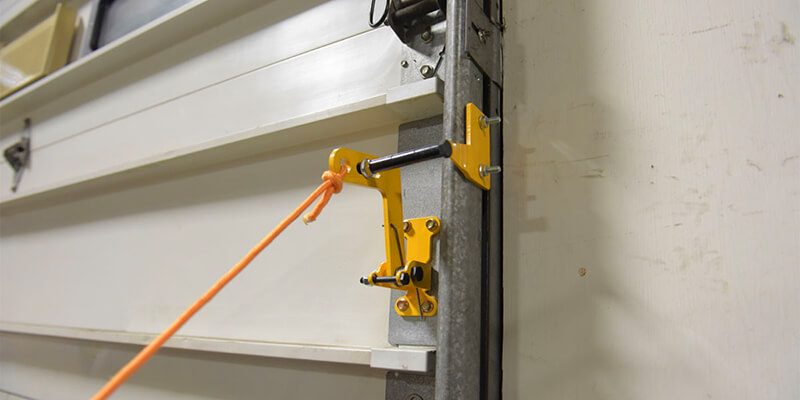
Garage doors can use different lock systems based on the door type, age, and opener setup. T-handle locks are common mechanical options that use a key and locking hardware, while interior slide locks move into the track to help hold the door closed from inside. Some systems use deadbolt-style hardware, while newer automatic garage doors often depend more on the opener and electronic access controls. The right Garage Door Lock depends on whether your door is manual or automatic, how often the garage is used, and the condition of the existing hardware. If you are thinking about newer electronic access, Supreme's smart garage door opener guide explains connected controls, home integration, and security features for modern garage systems.
A Garage Door Lock should be checked when it becomes difficult to turn, feels loose, sticks during use, shows rust, or no longer holds the door securely. You may also notice that the key is hard to insert or remove, the locking parts do not line up correctly, or the door must be pushed into position before the lock works. These signs may come from the lock itself, but they can also point to a door alignment or hardware problem. Forcing a damaged lock can make the problem worse, so it is better to find the cause first. Routine garage door maintenance can help identify worn components, balance issues, and other problems before they turn into larger repairs.

Mechanical and electronic systems can both provide useful garage access control, but they work in different ways. A mechanical Garage Door Lock is simple and does not depend on batteries, Wi-Fi, or electronic programming, which can make it practical for some manual garage doors. Electronic access is more common with modern automatic doors and may use remotes, keypads, smart controls, or connected opener features for added convenience. Homeowners should avoid adding or using a manual lock in a way that conflicts with an automatic opener because the opener may try to move a physically locked door. If an electronic access system stops responding, professional garage door opener repair can help determine whether the problem is with the opener, remote, keypad, receiver, or another control component.
Simple care can help a Garage Door Lock continue working smoothly and make it easier to spot problems early. Check the lock for loose hardware, rust, dirt, damage, or parts that no longer line up correctly, and pay attention if the key or handle suddenly becomes harder to move. Keep the locking area clean and use a suitable lubricant when needed instead of forcing a dry or sticking mechanism. You should also check whether the garage door closes evenly because a lock may seem faulty when the real issue is poor door alignment. Supreme's article on how to tune up a garage door also covers inspections, lubrication, hardware checks, balance, and other maintenance steps that support the whole door system.
Dallas homeowners should consider the condition of the complete garage door when a lock or access system stops working as expected. A lock that does not line up may be connected to a door that is uneven, damaged, or not closing correctly, while an electronic access problem may involve the opener, remote, keypad, or another control. Instead of replacing parts by guesswork, an inspection can help identify what is actually preventing the garage from closing and securing properly. Homeowners who need garage door repair Dallas can have lock-related problems and the rest of the garage door system checked before deciding whether repair, adjustment, or replacement is needed.
The right lock depends on your garage door and how it operates. Manual doors may use mechanical locks such as T-handle or slide systems, while automatic doors often rely more on the opener and electronic controls. Check the existing setup before adding or changing a lock.
Replacement may be needed if the lock is badly damaged, heavily rusted, loose, or no longer secures the door. However, first check whether the garage door closes and lines up correctly because poor alignment can sometimes make a working lock seem faulty.
Some garage doors can have manual locking hardware, but it must be used correctly. Running an automatic opener while the door is physically locked can put extra strain on the opener or door. Have the setup checked if you are unsure how the two systems should work together.
Neither option is best for every home. Mechanical locks are simple and do not depend on electronic controls, while modern opener systems can provide convenient access through remotes, keypads, and smart features. The best choice is the one that works correctly with your existing door and opener.
The problem may not be the lock itself. The garage door could be uneven, the locking hardware may have moved, or another part of the door may need adjustment. Avoid forcing the lock because this can damage the hardware or make the problem harder to repair.
A dependable Garage Door Lock helps protect your garage and makes daily access easier to manage, but it works best when the rest of the garage door system is also in good condition. Check the lock when it becomes loose, rusty, difficult to operate, or stops lining up correctly, and remember that problems with the door or opener can sometimes look like a lock failure. Mechanical locks may suit some doors, while modern automatic systems can provide electronic and smart access options. If you are unsure whether the lock needs repair, replacement, or a wider garage door inspection, contact at (972) 846-9991 Supreme Garage Door Repair for professional help.
Supreme Garage Door Repair can inspect your lock, garage door, opener, and access controls to find the real problem and recommend the right repair, adjustment, or replacement.
Schedule Garage Door Service