 Skip to content


How to Keep Garage Warm is easier when you stop cold air from getting in and reduce heat loss through the door, walls, ceiling, and floor. A garage does not need to feel like a living room, but it should not be so cold that stored items, tools, or nearby rooms are affected. Start with the garage door because it is the largest opening in the room. Check the seals, look for daylight around the edges, and pay attention to the door itself. A thin, uninsulated door loses heat faster than a well-insulated one. Supreme Garage Door Repair can help inspect door seals, insulation needs, and other door-related issues that may make the garage harder to keep comfortable.
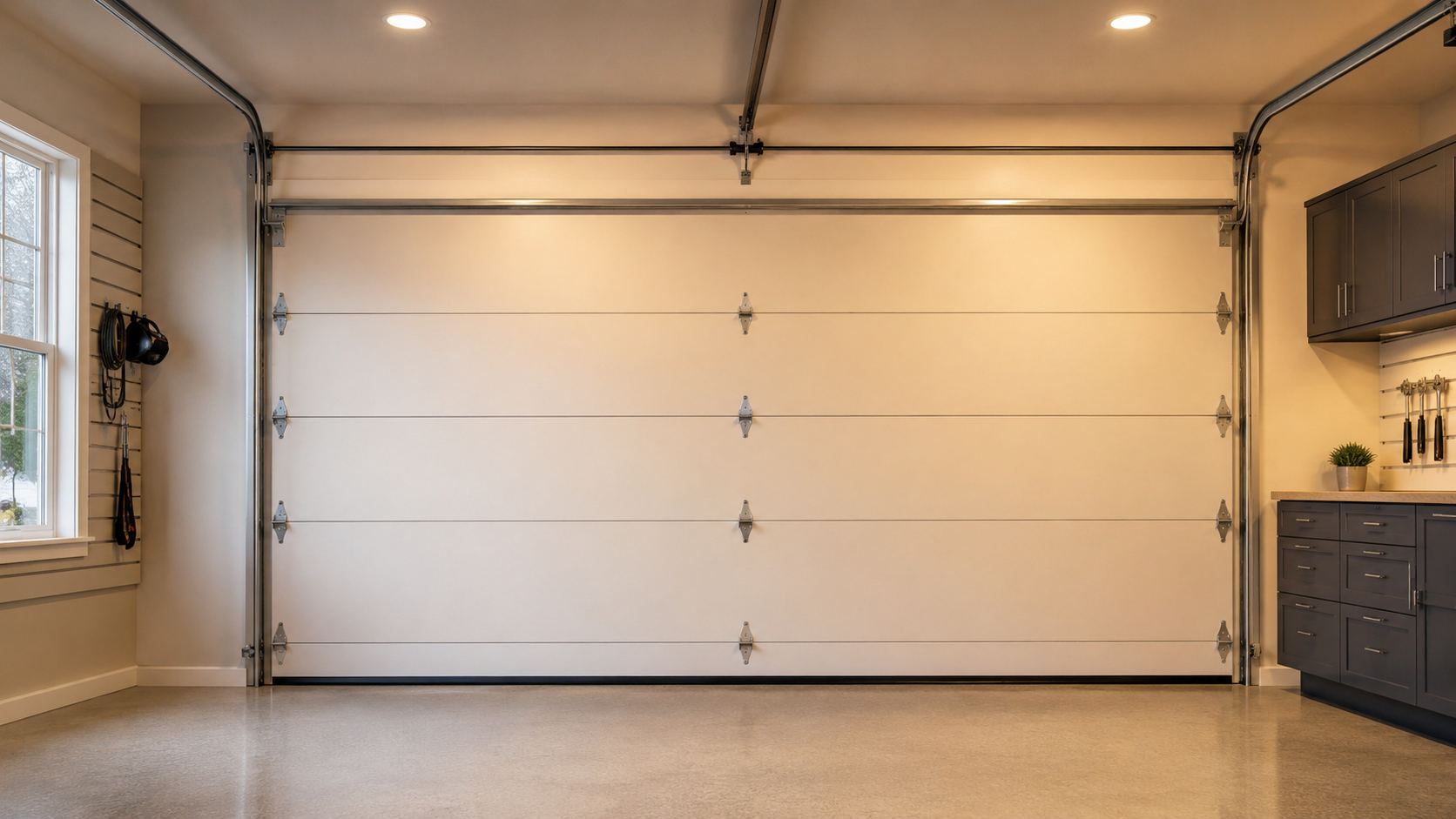
Garages often feel colder than the rest of the house because they have less insulation and more contact with outdoor air. The large door can allow heat to move out quickly, especially if it has thin panels or worn weatherstripping. Small gaps around the bottom and sides can also bring in drafts.
Before adding a heater, look for the main sources of heat loss. Common problem areas include:
Sealing these areas first can make other warming steps work better. It also helps you avoid using extra heat to warm a space that is still losing air around the edges.
Garage Door Insulation can help keep the garage temperature more stable because the door covers a large part of the exterior wall. It is one of the most useful steps when learning How to Keep Garage Warm without relying only on a heater. The R-value shows how well insulation resists heat flow, and the right level depends on the door design and how the garage is used. Supreme's best insulated garage doors guide explains how door construction and insulation choices can affect comfort. Adding insulation to an existing door may also help, but extra weight can affect door balance and movement. Avoid adjusting springs or other high-tension parts yourself if the door needs rebalancing.

Another part of how to keep garage warm is stopping cold air from entering through small gaps. Insulation works best when those leaks are controlled. Close the garage door during daylight and check the bottom, sides, and top for visible light, worn seals, or uneven contact. Supreme's garage door weatherproofing guide explains how bottom seals, weatherstripping, thresholds, and door alignment help reduce drafts. Also inspect windows, side doors, and wall gaps for air leaks. If the garage door looks uneven or does not close properly, the problem may come from alignment or hardware rather than the seal alone.

Once the door and major gaps are sealed, check the walls, ceiling, and floor for other sources of heat loss. Proper insulation can make an attached garage more comfortable, while garage-rated mats can help reduce the cold feel of concrete floors. Heating should come after sealing and insulation so warm air is not lost through open gaps. If you use a portable or mounted heater, choose one rated for the space and follow all clearance, ventilation, and electrical instructions. Keep heaters away from fuels, paint, cardboard, and other flammable materials, and consider a qualified professional if you need a permanent heating setup.
For Dallas homeowners learning how to keep garage warm, winter checks are still useful because cold fronts can bring sharp temperature drops. A garage that feels comfortable most of the year may suddenly become drafty when colder air and wind arrive. Before colder weather, check the bottom seal, side weatherstripping, and door movement. Remove leaves and debris near the threshold, and make sure water is not collecting where the door closes. Supreme's garage door winter maintenance guide covers seasonal checks for garage doors during colder conditions. If you are in Dallas and notice large gaps, damaged seals, or a door that no longer closes evenly, Supreme's Dallas service page provides local information for homeowners in the area. Move temperature-sensitive items away from the door and exterior walls, and follow their storage instructions.
Start by sealing air leaks and improving insulation. Check the bottom, sides, and top of the garage door, then inspect windows, side doors, walls, and the ceiling. Reducing heat loss can make the garage more comfortable even without adding active heat.
An insulated door can slow heat transfer and help reduce temperature swings, but it does not heat the space by itself. Seals, walls, ceiling insulation, windows, and outdoor temperature also affect how warm the garage stays.
Start by finding where the most heat is being lost. Because the garage door is a very large exterior surface, it deserves close attention. If the walls or ceiling are unfinished, they may also need insulation.
Cold air may still be entering through worn seals, windows, side doors, or other gaps. The floor, ceiling, and shared walls can also affect temperature. Look for drafts and visible daylight before assuming more insulation is the only answer.
Only use a heater that is rated for the space and follow all manufacturer instructions. Keep proper clearance from vehicles, cardboard, fuels, paint, solvents, and other flammable materials. If the garage needs regular heating, consider having a qualified professional evaluate a permanent setup.
How to Keep Garage Warm comes down to controlling drafts, slowing heat loss, and using heat safely when it is needed. Start with the largest opening: the garage door. Check its insulation, bottom seal, side weatherstripping, and how evenly it closes. Then look at the walls, ceiling, windows, side doors, and floor. Supreme Garage Door can help evaluate garage door seals, door insulation options, and related door conditions that may be letting outdoor air into the space. For garage door concerns, call Supreme Garage Door at (972) 846-9991.
Contact Supreme Garage Door for help checking garage door insulation, worn seals, gaps, and other door conditions that may be letting cold air inside.
Schedule a Garage Door Inspection