 Skip to content


Preparing your garage door for Texas heat summer conditions can help you catch wear before the hottest months put additional stress on the system. Strong sunlight, high garage temperatures, dust, storms, and frequent daily use can all affect door performance.
Summer preparation should focus on safe inspection, cleaning, suitable lubrication, weather seals, opener operation, and signs of developing wear. Springs, cables, bottom brackets, and other tension-loaded components should be inspected only from a safe distance.
For homeowners across North Texas, a seasonal check can make it easier to identify small issues before they interrupt normal garage access.

Quick Answer: Start by watching the door operate, inspecting accessible hardware, checking weather seals, cleaning tracks and sensors, lubricating suitable moving parts, testing the opener, and looking for new noise or uneven movement.
Heat can affect several parts of a garage door system, but problems are rarely caused by temperature alone.
Metal tracks, hinges, and other components expand and contract as conditions change. Flexible weather seals can become stiff, cracked, flattened, or less effective after long periods of exposure.
Exterior finishes, seals, trim, and exposed door surfaces may show wear after repeated sun exposure.
The opener and other components operate in a garage that may become much warmer than conditioned areas of the home.
Dry weather can leave dust around tracks, sensors, seals, and the bottom of the garage-door opening.
Summer schedules, travel, activities, and normal household use can increase the number of daily door cycles.
Think about the complete system rather than one heat-related component. If the garage door already binds, moves unevenly, or is poorly balanced, the opener may have to work harder. Summer preparation is mainly about finding developing problems before they become larger.
Begin with observation. You should not need to dismantle or adjust tension-loaded components during a routine summer check.
Safety First: Do not tighten or adjust hardware connected to springs, lifting cables, cable drums, or bottom brackets.
Open and close the garage door normally. Watch for severe shaking, hesitation, scraping, binding, or crooked movement.
Pay attention to new squeaks, grinding, rattling, scraping, or popping that was not present before.
Look over accessible rollers, hinges, tracks, panels, weather seals, and the garage door opener.
Check for cracked rollers, corrosion, debris, visibly damaged sections, or hardware that appears out of position.
Stop routine maintenance if the door appears unstable. If the garage door becomes uneven, unusually heavy, stuck, off track, or visibly unstable, arrange professional garage door repair instead of continuing DIY maintenance.
Garage door weatherstripping helps limit hot outdoor air, dust, insects, moisture, and wind-blown debris around the opening.
Inspect the bottom seal while the garage door is closed. Look for daylight, cracks, flattened areas, or sections that no longer touch the floor evenly.
Check the seals along the sides and top as well. They should contact the closed door without creating excessive friction during movement.
A new seal cannot correct every gap. If one side of the garage door sits higher than the other, alignment or balance may be affecting the seal's contact with the floor.
Supreme's garage door weatherproofing guide for Dallas homes explains how bottom seals, perimeter weatherstripping, thresholds, and door position work together.

Appropriate lubrication can help reduce ordinary friction and squeaking from moving garage door hardware.
Suitable lubrication points may include:
Do not use lubrication as a substitute for repairing damaged components.
Use a garage-door-appropriate lubricant and follow the door or opener manufacturer's recommendations. Accessible hinges and roller bearings may require lubrication depending on their construction.
Tracks generally need to remain clean rather than coated with heavy grease, which can collect dirt and debris.
If noise continues after basic cleaning and lubrication, professional garage door maintenance and tune-up service can help determine whether rollers, bearings, hinges, the opener, or another component needs attention.
Rollers guide the garage door through its tracks, so their condition has a noticeable effect on how smoothly the door moves.
Watch for rollers that visibly wobble or move inconsistently through the tracks.
Damaged roller surfaces or bearings can contribute to noisy and uneven operation.
Remove accessible loose dirt, dust, and cobwebs with a soft cloth or brush.
Do not attempt to straighten a loaded track or force an off-track roller back into position.
If the door scrapes, binds, or moves unevenly, stop repeatedly cycling it until the cause is identified. Continuing to operate a binding or unstable garage door can affect connected components.
Insulated garage doors can slow heat transfer through the door panels, which can be useful for attached garages and spaces exposed to strong afternoon sun.
Insulation does not make a garage fully climate-controlled. Walls, ceilings, windows, ventilation, weather seals, and air leakage also affect interior temperatures.
If an older garage door has little or no insulation, replacing it with an insulated door may provide a larger improvement than adding weatherstripping alone. To compare door materials, insulation types, and installation considerations, explore our guide to insulated garage door installation for Dallas homes.
Homeowners comparing insulation options can review Supreme's Best Insulated Garage Doors guide for DFW homes.
Insulation may matter more when the garage shares walls or ceilings with conditioned living space.
Spaces used for regular activities may benefit from improved panel insulation and perimeter sealing.
A detached garage used mainly for vehicle or equipment storage may have different comfort priorities.
Summer preparation should include the automatic opener as well as the garage door itself.
Never bypass the safety sensors. If the garage door repeatedly reverses or refuses to close, sensor alignment, wiring, travel settings, or another opener problem may require diagnosis.
For persistent motor, remote, sensor, or control problems, Supreme provides garage door opener repair.
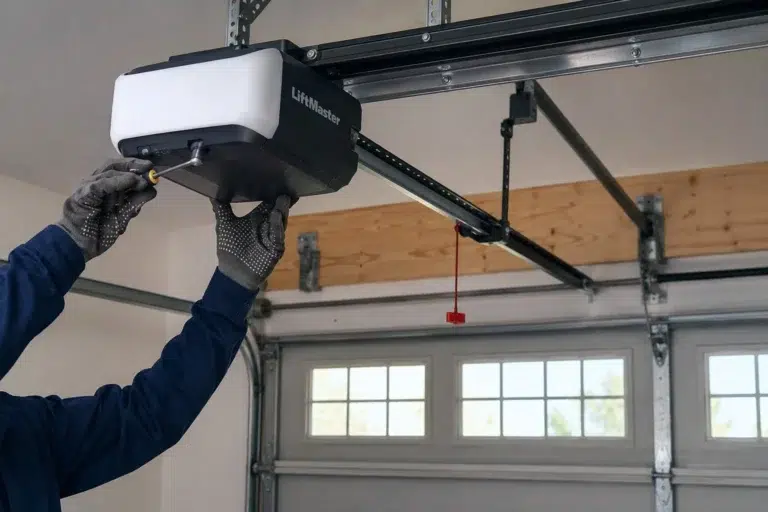
A balance problem can place additional strain on an opener, but spring adjustment should never be treated as routine homeowner summer maintenance.
A garage door that suddenly feels heavy, drops quickly, rises unevenly, or no longer remains controlled may have a spring or lifting-system problem.
For summer preparation, observing how the door moves is enough. Leave spring-tension changes to trained service professionals.
Do not wind or unwind springs, release lifting cables, remove bottom brackets, or change spring tension. Springs store substantial energy, and lifting cables can remain under tension even when the door appears stationary.
Walk around the exterior of the garage door and inspect its general condition before the hottest part of summer.
Look for coatings that are peeling, fading, or exposing the underlying door material.
Check steel surfaces for damaged coatings, scratches, or areas where bare metal may be exposed.
Inspect flexible trim and weatherstripping for cracking, brittleness, gaps, or deformation.
Look for dents, visible damage, or sections that appear distorted or no longer align correctly.
Wood garage doors should be maintained according to the manufacturer's recommendations for exterior finish and care.
Steel garage doors should be checked for coating damage that exposes bare metal to moisture and corrosion.
Use cleaning products appropriate for the door material. Harsh cleaners can damage some exterior finishes.
Routine seasonal maintenance is appropriate when the garage door is generally working and you are checking for developing wear.
Do not keep cycling a malfunctioning garage door to diagnose it. Repeated operation while the door is binding, unsupported, or unstable can affect other connected components.
Summer heat, humidity, and storms can make existing garage door problems more noticeable. If your door is stuck, moves unevenly, or has damaged springs, cables, or opener components, professional service may be needed. Homeowners in Southeast Texas can review our garage door repair in Houston, TX page to learn about professional inspection and repair options.
Homeowners looking beyond summer can also review Supreme's Seasonal Garage Door Maintenance in Dallas guide for spring, summer, fall, and winter maintenance considerations.
Supreme Garage Door Repair provides garage door maintenance, repair, opener service, and seasonal inspections throughout Dallas-Fort Worth and North Texas.
Homeowners can review local service information for Dallas, TX and Fort Worth, TX.
If you find worn hardware, unusual movement, opener problems, or damaged weather seals while preparing for summer, the complete system should be inspected before a small problem becomes more disruptive.
Summer conditions can expose garage doors to high temperatures, strong sunlight, dust, storms, and frequent daily use. Seals, finishes, moving hardware, rollers, tracks, and the opener should be inspected for developing wear rather than assuming every problem is caused directly by heat.
Watch the garage door complete a normal opening and closing cycle, listen for unusual noise, inspect accessible rollers, hinges, tracks, weather seals, panels, opener controls, and safety sensors, and look for anything that has changed since the previous season.
Appropriate lubrication can help reduce friction and ordinary squeaking from suitable moving joints and bearings. Use a garage-door-appropriate product and follow manufacturer recommendations. Do not coat the garage door tracks with heavy grease.
Look for daylight around the closed door, cracked or flattened seals, gaps along the bottom, sides, or top, and areas that no longer make consistent contact. Uneven gaps can also indicate an alignment or balance issue rather than only worn seals.
An insulated garage door can slow heat transfer through the door panels. It may be especially useful for attached garages, workshops, home gyms, or garages near conditioned living space. Insulation does not make the entire garage climate-controlled.
Professional repair is more appropriate when the garage door is stuck, crooked, unusually heavy, off track, severely grinding, visibly unstable, or has an apparently broken spring, damaged cable, or damaged track.
Supreme Garage Door Repair provides seasonal garage door maintenance, inspections, opener service, repairs, and related garage door services throughout Dallas-Fort Worth and North Texas.
Schedule Garage Door Maintenance