
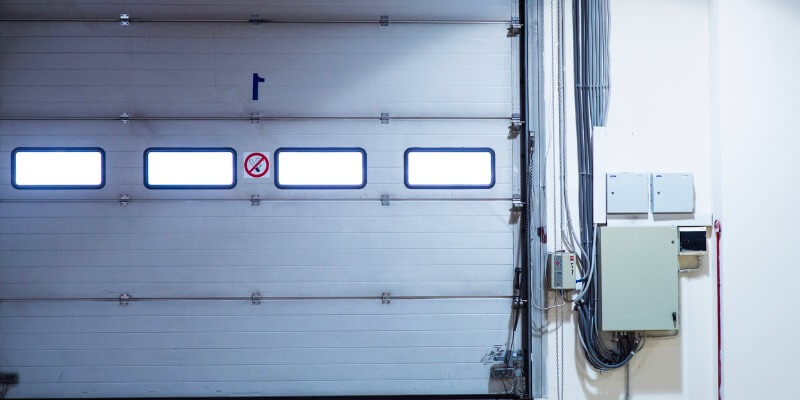

When you look for an automatic garage door repair team, you want to call the best in the area. And our TX automatic garage door repair team at Supreme Garage Door Repair is that team. Our door repairman professionals are ready to help you change that garage door cable broke or any other problem you can have with your door. That’s the thing about us. We want our TX Supreme Garage Door Repair professionals to be prepared to help you with anything, which could be that your door cable broke or any other problem. That’s why they’ve been trained thoroughly. They’ll also be able to answer all of your questions once you call our team. So you’ll be sure to get the best garage door repairman to help you’ll find in the area. All you have to do is pick up the phone and call us!
When you call an automatic garage door repair team, you want a team that works fast and efficiently. Because you don’t want to lose a lot of time waiting for an automatic door repair team to help you, that’s why we’ve organized our professionals so we can make sure that somebody will always be available to help you the moment you call us. We’ll make sure somebody from our automatic garage door repair team goes to your location immediately to help you.
Like we’ve mentioned before, everybody in our automatic garage door repair team has been trained thoroughly. That’s the only way in which they can join our team. Nobody will be allowed to help you before they’ve been thoroughly trained. We have a reputation to uphold, and that is that we’re the best automatic garage door repair team in the area. So we’ll consistently deliver you precisely that: the best help. All you have to do is call us!
But you haven’t read the best part about us yet. Are we available 24/7? What? Yes, you’ve read correctly! You can call us 24/7, and somebody will always be there to pick up your call and go to your location to help you. We’ve made sure to organize our skilled professionals’ schedules to make that possible. So you will never have to wait outside for help for hours on end. We’ll be there in a matter of minutes once you call us.
Good And Affordable Help
It is the part you want to read the most: we pledge to keep our prices low. Yes, exactly what you’ve read. We’ll make sure you get the best help possible without having to spend all of your savings. You won’t have to choose between getting good service and getting affordable help. Not with our team. We’ll make sure that you end up happy with our work and don’t have to go into debt to get the help you need. So we’re confident that your best choice is to call our team of professionals to help you.
Everybody Wants Our Team To Help Them
Our website has a comment section that anybody can see. Yet, our clients’ names have been deleted to maintain confidentiality. In that section, you’ll be able to read our clients’ opinions about our work. You’ll be able to see that everyone ends up very happy with our work. And you’ll also be able to know that they end up calling us more than once to get the help they need. Why? Because they know that we’re the best team and that we consistently deliver precisely what they want for their doors. So make sure to join them and become one of our clients too. Call us right now!
The Most Durable Service In The Area!
Two things can alter the service you get: the equipment and the quality of the professionals’ materials. To get the best help, you need a team of professionals who only use the best equipment and the best quality materials. So that’s why we’ll make sure that our professionals are equipped with the best tools. And we’ll also make sure that they only use the best quality materials. That’s how we’ll make sure that you get the best help we can give you for your door. And that’s how you make sure that whatever we fix for you lasts you a long time. Therefore, make sure you get the best help by calling our team of skilled professionals to help you with your door. You won’t regret it!
Working During Covid19
Safety needs to be everyone’s priority. Even more so during these difficult times. Because you may need help with your door regardless of the existence of such a dangerous pandemic. So we’ll make sure that everyone stays safe. How? Make sure that everyone in our team wears protective gear and exercises social distancing while working. So, you already know the best automatic garage door repair team
So make sure to call us now!