 Skip to content


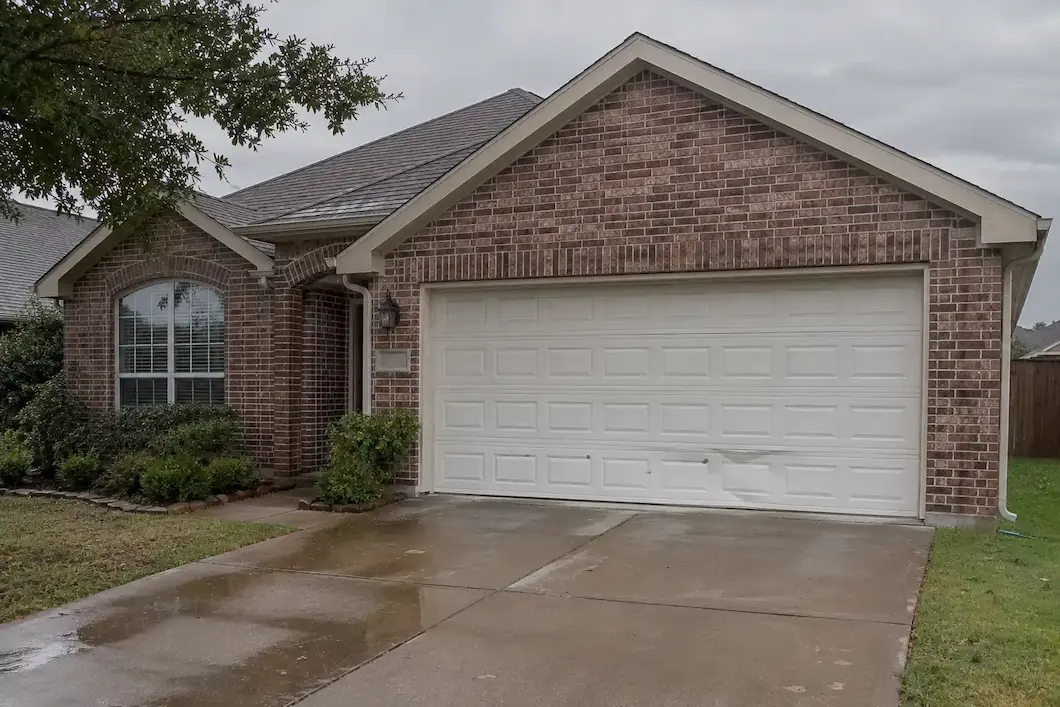
A strong storm moves through Dallas, and the next morning you discover dents across your garage door. Or perhaps a family member accidentally backs into the bottom panel while parking. Either way, the damage needs attention, and one question comes to mind: will homeowners insurance help pay for it?
Yes, homeowners insurance may cover garage door damage in Texas when the damage results from an event covered by your policy. Wind, hail, fire, vandalism, and certain accidental vehicle impacts may qualify. However, coverage depends on the cause of damage, your policy's exclusions, coverage limits, and deductible.
Before scheduling repairs or submitting a claim, it helps to understand what insurers typically consider and what documentation you may need.
A garage door is generally considered part of the structure it is attached to. For an attached garage, damage may fall under your home's dwelling coverage. A detached garage may fall under separate other structures coverage.
According to the Texas Department of Insurance, many homeowners policies cover certain sudden, accidental events, but the specific protection varies by insurer and policy.
Here are some situations homeowners may encounter.
| Cause of damage | Could insurance cover it? | What to verify |
|---|---|---|
| Hailstorm | Potentially | Wind and hail coverage, deductible, exclusions |
| Strong winds or flying debris | Potentially | Whether the policy covers the particular wind event |
| Fire or lightning | Often, if covered | Cause of damage and policy conditions |
| Vandalism | Potentially | Coverage terms and incident documentation |
| Vehicle collision | Potentially | Who caused the damage and which policy applies |
| Normal wear and aging | Generally not | Maintenance and deterioration exclusions |
| Floodwater | Usually not under standard homeowners coverage | Whether separate flood insurance applies |
North Texas storms can damage garage door panels, windows, tracks, and surrounding hardware.
If a covered storm causes the damage, your homeowners policy may pay toward repairs or replacement, subject to its terms.
However, some Texas policies have separate wind and hail deductibles. These can differ from the deductible for other property damage.
A hail-damaged door also does not automatically qualify for complete replacement. The insurance company may evaluate whether the damage is cosmetic, whether the door remains functional, and which repairs are necessary under the policy.
For information about choosing more weather-resistant garage doors, see Supreme's guide to hail-resistant garage doors in Texas.
A car hitting a garage door can cause bent panels, damaged tracks, or structural problems.
Homeowners insurance may respond to certain vehicle-related property damage, but the circumstances matter.
For example, the insurance questions may differ depending on whether you hit your own garage door or another driver caused the damage. The homeowners insurer and relevant auto insurer can explain which policy may apply.
Do not assume every collision will be covered simply because it was accidental.
Homeowners insurance is primarily intended to address covered losses, not ordinary maintenance or the gradual deterioration of a garage door.
Common examples of damage that may be excluded include:
For example, if a garage door spring breaks after years of regular operation, the replacement is generally a maintenance or repair expense rather than an insured loss.
The situation may be different when a covered event directly damages the spring system or related components.
What matters is the cause of the damage and the insurance policy's terms.
Yes. Even when damage is covered, the repair cost may be less than the deductible.
Your deductible is the amount you are responsible for paying toward a covered claim. If the covered loss does not exceed that amount, the insurer may make no payment.
It is also worth checking whether your policy provides replacement cost coverage or actual cash value coverage.
Replacement cost coverage generally uses the current cost of covered repairs or replacement, subject to policy conditions. Actual cash value coverage considers depreciation.
For more information, review the Texas Department of Insurance home insurance guide.
Before filing a claim, confirm your applicable deductible and discuss your options with your insurance provider.
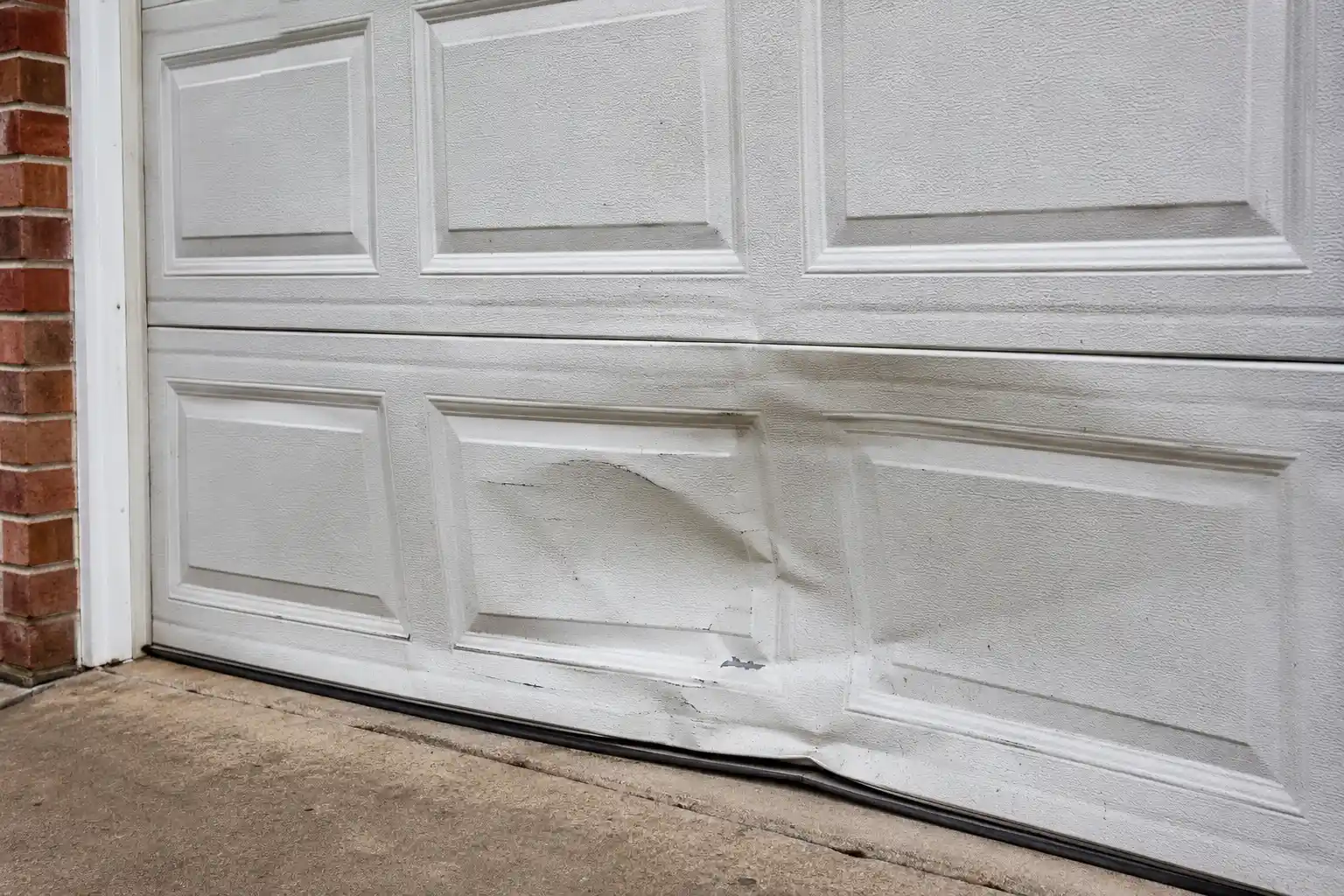
Insurance questions and mechanical repair decisions are related, but they are not the same.
A damaged garage door does not always need to be completely replaced.
If damage is limited to one panel and compatible replacement parts are available, a sectional repair may be possible.
More extensive damage may affect the door's structural integrity, tracks, hinges, rollers, or lifting system.
A professional inspection helps determine:
The technician's findings can help document the work required. The insurance company then determines which expenses, if any, are covered.
For more extensive damage, homeowners can review Supreme's garage door replacement services.
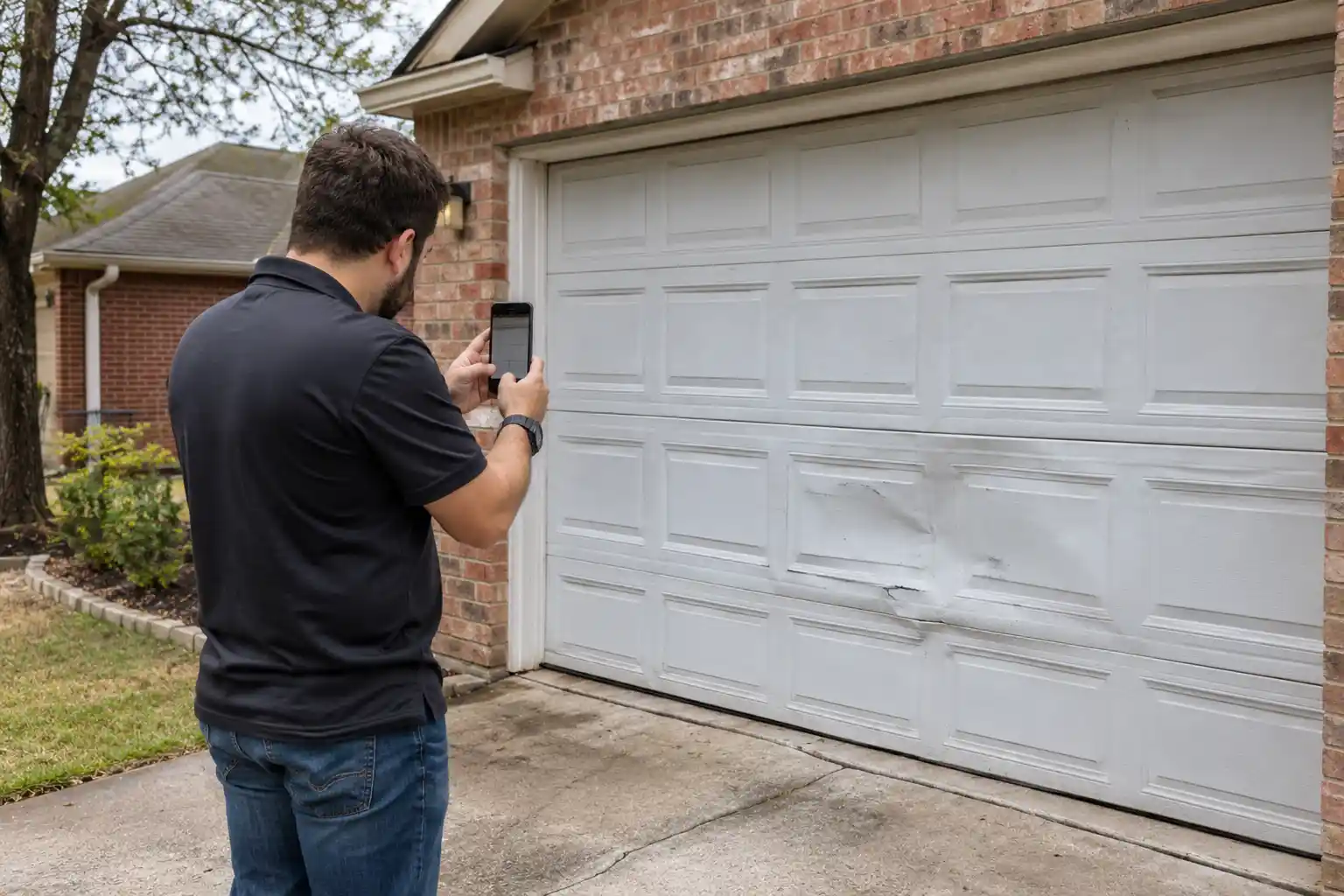
Good documentation helps your insurer understand what happened and allows a repair company to prepare a more useful estimate.
The Texas Office of Public Insurance Counsel recommends photographing damage, reviewing your policy, contacting your insurer promptly, and keeping records throughout the claims process.
Once the area is safe, take photographs of the affected garage door.
Capture the overall door, damaged sections, visible gaps, and any affected surrounding property.
You can also photograph tracks or hardware visible from a safe position. Do not move damaged components just to obtain a better picture.
Write down the approximate date and time of the incident.
Include relevant details, such as whether a storm occurred, a vehicle struck the door, or vandalism was discovered.
Keep the account factual. Avoid guessing about damage you cannot verify.
Check the declarations page and policy documents for relevant coverage, exclusions, and deductibles.
If you are unsure whether the incident qualifies, contact your insurance agent or company.
Report the damage promptly and ask about the next steps.
Your insurer may arrange an adjuster inspection or request additional documentation.
Ask whether permanent repairs should wait until the company has evaluated the damage.
A technician can inspect the garage door system and prepare a repair or replacement estimate.
The estimate may help clarify the damaged parts, required labor, and proposed work.
Keep copies of all estimates, photographs, invoices, and related correspondence.
If the property needs temporary protection to prevent further damage, discuss safe options with the insurer and an appropriate professional.
Keep receipts for any necessary temporary work.
Avoid permanent repairs before discussing the process with your insurance company, unless immediate action is necessary for safety or to prevent further damage.
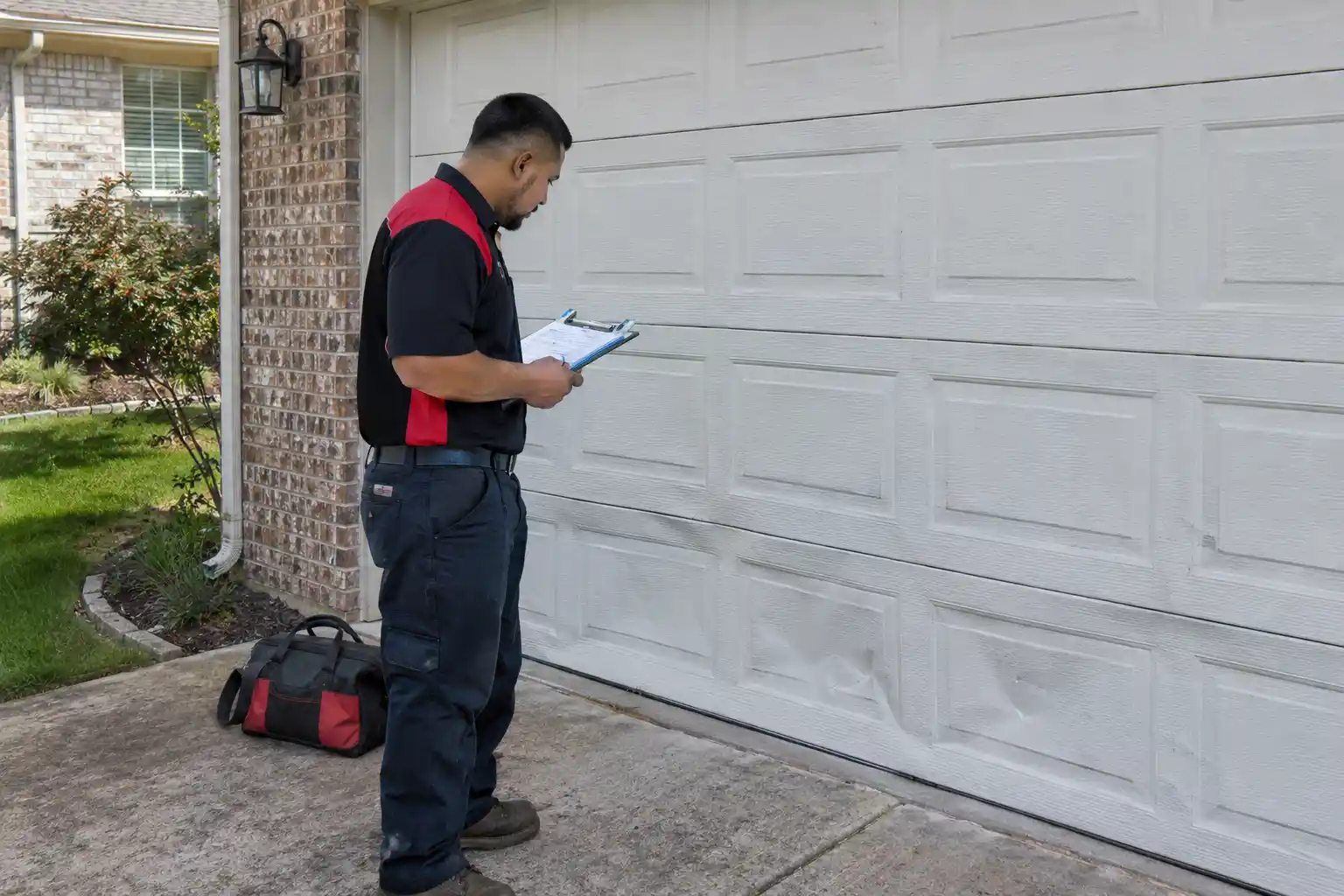
Yes. Supreme Garage Door Repair technicians can provide detailed estimates for insurance purposes when customers inform them during the onsite visit.
If you are scheduling an inspection after storm damage, a vehicle collision, or another incident, tell the technician that you may need documentation for an insurance claim.
The assessment can help establish the condition of the garage door system and the work being recommended.
Depending on the damage, the estimate may address affected panels, tracks, rollers, supporting hardware, labor, and whether repair or replacement is appropriate.
It's helpful to mention any documentation requirements your insurer has provided.
Supreme's role is to inspect the garage door and provide repair recommendations and estimates. Your insurance company determines whether the damage is covered and what amount, if any, will be paid.
Supreme technicians do not act as insurance adjusters, and receiving an estimate does not guarantee claim approval.
Whether the damage comes from a storm, vehicle impact, or another incident, safety comes before paperwork.
Use this checklist:
If the incident involved a vehicle, our recent article Car Hit Your Garage Door? Why Repairs Matter Before Texas Winter explains the immediate safety precautions and mechanical problems to watch for.
Garage door damage can involve more than the visible surface of the door.
A storm may dent panels or damage the tracks. A vehicle collision may affect hinges and supporting hardware. Even when the door remains partially operational, hidden mechanical problems may require professional attention.
Supreme Garage Door Repair provides garage door repair services throughout North Texas, including damage assessments and repair or replacement recommendations.
Homeowners in Fort Worth can also explore our Fort Worth garage door repair services for local service information.
If your garage door has suffered storm damage or accidental impact, a professional assessment can help establish the repair scope before you decide how to proceed.
Remember that a repair estimate and an insurance coverage decision are separate matters.
It may. If your policy covers the storm event and the damage meets its conditions, repairs or replacement may qualify. Check wind and hail coverage, applicable deductibles, and exclusions with your insurer.
Coverage depends on the circumstances and applicable policies. Your homeowners insurer or the driver's auto insurer may need to review the incident. Document the damage, avoid operating an unsafe door, and contact the relevant insurance providers.
Insurance generally does not pay to replace a garage door simply because it is old or worn out. However, an older door damaged by a covered event may qualify for some payment, depending on the policy, depreciation rules, and extent of damage.
Necessary temporary work to protect your property may be appropriate. However, the Texas Department of Insurance generally recommends discussing permanent repairs with your insurer first. Take photographs and keep receipts. Do not delay essential action needed to protect people from immediate danger.
Yes. Supreme technicians can provide detailed estimates for insurance purposes when informed during the onsite visit. Tell the technician about the documentation you need. The insurance company, not Supreme, decides coverage and payment.
If your garage door has been damaged by hail, wind, fire, or an accidental vehicle impact, understanding the required repairs is an important part of deciding what to do next.
Supreme Garage Door Repair helps homeowners in Dallas, Fort Worth, and surrounding North Texas communities assess damaged garage doors and review repair or replacement options.
If you may need an estimate for insurance purposes, let our technician know during the onsite visit.
For Dallas and surrounding communities, contact Supreme Garage Door Repair through our official website. For Fort Worth service enquiries, call (972) 619-7222.
We'll help you understand the condition of your garage door and the proposed repair work so you can make an informed decision about the next steps.
Insurance information is provided for general educational purposes. Coverage and claim payments are determined by the applicable insurance policy and insurance provider.
