 Skip to content


Texas summers can be tough on more than just air conditioners and lawns. Your garage door spends months exposed to high temperatures, direct sunlight, dust, and frequent daily use. By the time fall arrives, you may begin noticing noises, slower movement, worn seals, or other garage door problems that weren't obvious earlier in the year.
For homeowners across Dallas, Fort Worth, and surrounding North Texas communities, October is a practical time to pay attention to how the garage door is performing.
Not every garage door problem is caused by summer heat. Springs naturally wear through repeated cycles, rollers and hinges deteriorate over time, and opener components can develop problems regardless of the season. However, the transition from summer into fall gives homeowners a useful opportunity to identify issues before they become more disruptive.
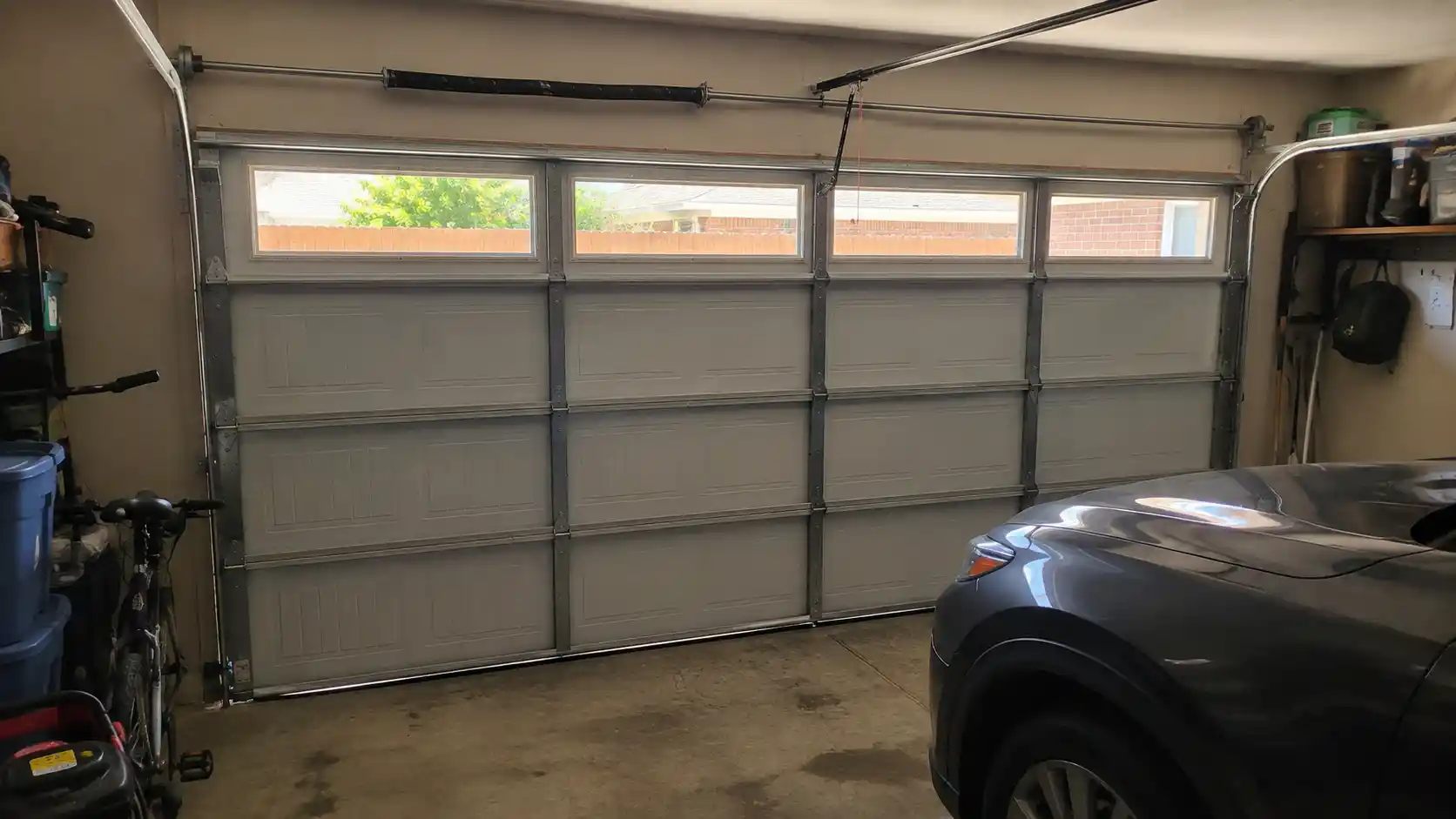
At Supreme Garage Door Repair, we help North Texas homeowners address broken springs, damaged cables, noisy garage doors, opener malfunctions, track problems, and other mechanical issues.
Here are seven warning signs worth checking this fall, what they might indicate, and when professional garage door repair may be necessary.
Texas weather creates challenging conditions for garage door systems, particularly those exposed to intense sunlight and prolonged heat.
However, weather is only one part of the picture. The condition of your garage door also depends on its age, daily use, maintenance history, installation, and individual components.
Garage door weatherstripping helps reduce gaps around the door. After extended exposure to heat, sunlight, and normal aging, rubber and vinyl seals may become brittle, cracked, or flattened.
When this happens, dust, outdoor air, and rainwater may enter through gaps along the bottom or sides of the garage door.
A garage door may open and close several times each day.
Every cycle places normal operating loads on springs, cables, rollers, hinges, bearings, and opener components. As these parts age, mechanical wear may begin affecting the door's operation.
A new noise or movement problem may simply become noticeable in fall, even when the underlying wear developed over a much longer period.
North Texas typically experiences less severe winter conditions than northern states, but cooler mornings, rain, wind, and temperature changes can still affect the garage environment.
If a garage door already has worn parts, damaged weather seals, or alignment problems, these issues may become more noticeable during seasonal changes.
The important thing is not to assume every symptom is weather-related. Identifying the actual cause helps homeowners avoid unnecessary repairs.
A garage door doesn't have to be completely silent, but new or increasingly loud sounds deserve attention.
If your door begins making grinding, squeaking, rattling, or scraping noises, one or more moving components may be experiencing friction or wear.
Possible causes include:
A squeaking sound may come from a hinge or roller, while scraping can indicate that something is interfering with the door's movement.
Grinding or rattling can also occur when parts become worn or loose.
What homeowners should check: Listen for when the noise occurs during normal operation. Does it happen near the floor, halfway through opening, or when the door reaches the top?
Avoid placing your hands near moving parts or attempting to adjust hardware while the door is operating.
When to schedule repair: If the sound is accompanied by shaking, uneven movement, visible damage, or sudden loud banging, stop using the garage door and arrange an inspection.
Your garage door should move smoothly along its tracks without excessive tilting or jerking.
If one side appears higher than the other, the door shakes, or movement becomes inconsistent, there may be a problem with the supporting components.
Common causes include damaged lift cables, worn rollers, track alignment issues, or spring-related problems.
Garage door cables work with the spring system to support controlled movement. If a cable becomes damaged or comes off its drum, the door can become unstable.
A crooked garage door may also place additional stress on tracks, rollers, and connected hardware.
What homeowners should check: From a safe distance, look for visible cable damage, unusual gaps between rollers and tracks, or a door that appears tilted.
Never attempt to straighten a crooked garage door or reposition a loose cable yourself.
When to schedule repair: If the door moves at an angle, becomes partially detached from its tracks, or has visibly damaged cables, stop operating it.
Continuing to use an unstable garage door can create serious safety risks and additional damage.
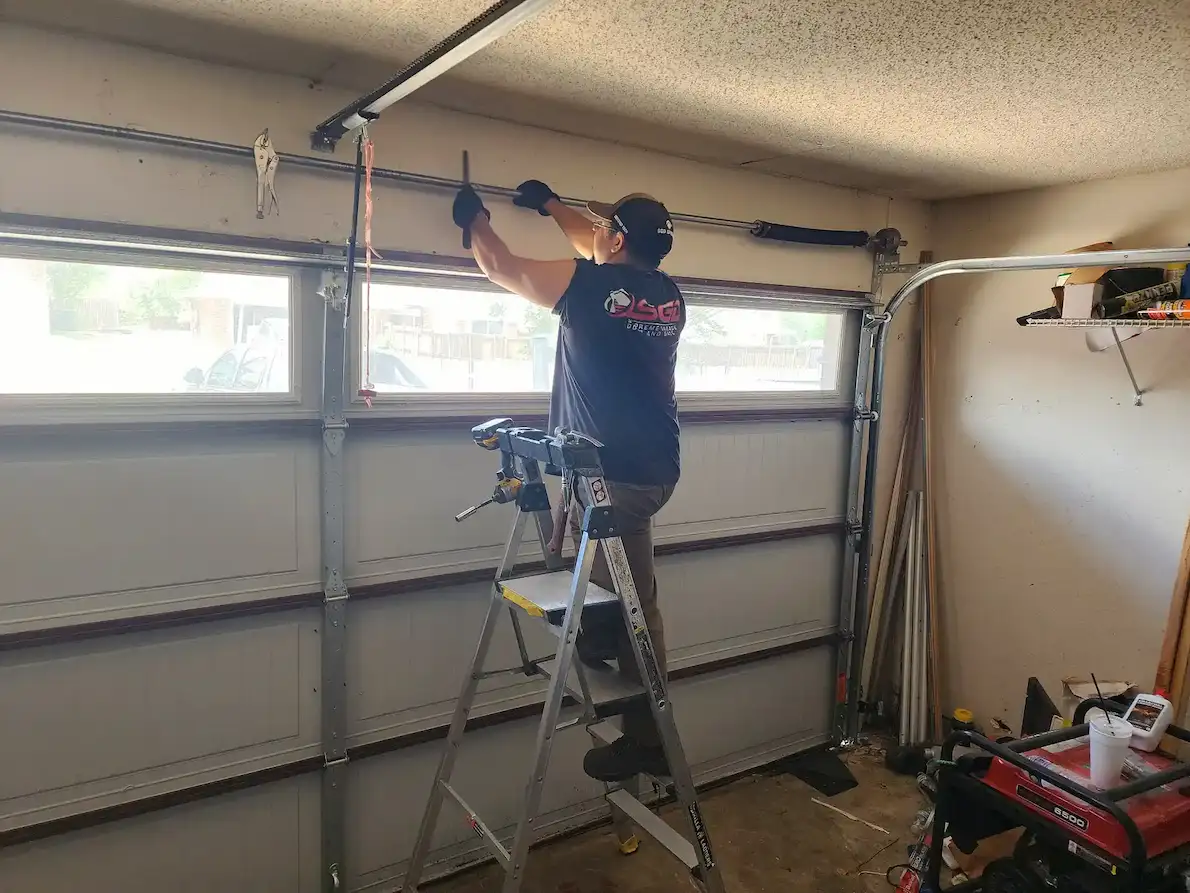
If your automatic garage door suddenly struggles to open, the problem may not be the opener.
Garage door springs help counterbalance the weight of the door, reducing the effort required to lift it.
As springs approach the end of their service life, they may develop fatigue or damage. A broken spring can leave the door difficult or unsafe to operate.
Warning signs include:
These symptoms can also involve opener or cable problems, which is why professional diagnosis matters.
What homeowners should check: Look for obvious spring damage without touching the spring or attempting to lift the door.
Do not disconnect the opener to test the weight of a door when spring damage is suspected.
When to schedule repair: A broken or suspected damaged spring requires professional attention.
Supreme Garage Door Repair assists homeowners with garage door spring repair and replacement, helping identify the correct spring system for the door's weight and configuration.
Springs store significant mechanical energy. Repairs and adjustments should only be handled by properly trained technicians.
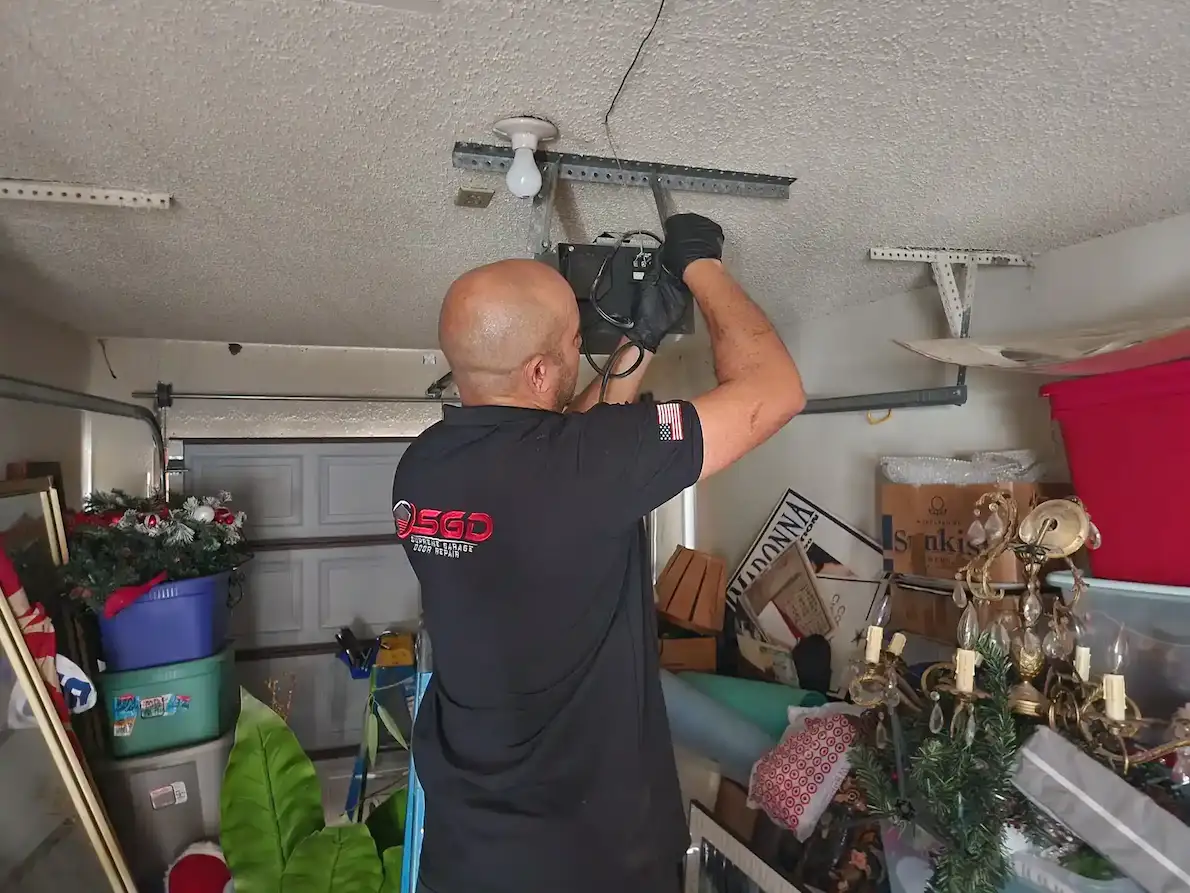
An automatic garage door opener should respond consistently to its controls and move the door through its normal opening and closing cycle.
When the opener begins responding slowly, operating intermittently, or stopping unexpectedly, the cause isn't always obvious.
Possible issues include worn opener components, faulty controls, sensor problems, electrical faults, or mechanical resistance from the door itself.
For example, an opener may appear to struggle because the garage door has a damaged spring or roller problem rather than an issue with the motor.
Other warning signs include:
What homeowners should check: Confirm that the remote battery is functioning and check for visible obstructions around the door.
If the opener has diagnostic lights, consult the manufacturer's instructions.
When to schedule repair: If the opener repeatedly fails, strains while lifting, or operates unpredictably, professional garage door opener repair can help determine whether the problem involves the opener or another garage door component.
Avoid replacing the opener before identifying the actual issue.
Weather seals are easy to overlook because they don't usually affect how the garage door opens.
However, damaged weatherstripping can allow unwanted outdoor conditions into the garage.
After months of Texas sunshine and heat exposure, rubber seals may become dry, cracked, flattened, or loose.
The bottom seal is particularly important because it helps reduce gaps between the garage door and the floor.
Signs of deterioration include:
Sometimes gaps develop because the weather seal is worn. In other cases, the door may not be closing evenly due to track, panel, or alignment problems.
What homeowners should check: With the garage door closed, visually inspect the bottom and side seals for damage.
Avoid reaching beneath a moving garage door or trying to force it into a better position.
When to schedule repair: If seal replacement alone doesn't explain uneven gaps, the garage door may need a mechanical inspection.
Addressing the underlying problem helps ensure new weatherstripping fits and functions as intended. Learn more about garage door weatherproofing.
A garage door that begins closing and then unexpectedly reverses may be responding to a safety system problem or mechanical resistance.
Modern automatic garage doors include safety features designed to reduce the risk of injury and property damage.
Photo-eye sensors are commonly installed near the bottom of the garage door opening. They help detect obstructions in the closing path.
If these sensors become dirty, blocked, or misaligned, the opener may refuse to close the door.
Other possible causes include damaged wiring, opener faults, track obstructions, worn rollers, or excessive resistance during movement.
What homeowners should check: Look for visible objects blocking the sensor path and check whether the sensor lenses are dirty.
You can also check whether the opener displays a diagnostic light or error indication.
Follow the manufacturer's instructions when inspecting or testing the safety system.
When to schedule repair: If the door continues reversing unexpectedly, fails a safety test, or attempts to close when the safety system isn't working properly, stop using automatic operation until the issue has been corrected.
Never bypass the photo-eye sensors or other safety mechanisms to force the garage door closed.
A garage door should close into its intended position without obvious tilting or unusual resistance.
If one corner remains raised, daylight is visible beneath part of the door, or the bottom seal doesn't make consistent contact with the floor, the system may need attention.
The cause could be relatively simple, such as a worn bottom seal or an uneven garage floor.
However, it can also involve bent tracks, damaged rollers, door panel problems, or other mechanical issues.
This is particularly important for North Texas homeowners because seasonal rain and wind can make existing gaps more noticeable.
What homeowners should check: Observe the door's final closing position from a safe distance.
Look for torn seals, damaged panels, or differences in how the bottom of the door meets the floor.
Do not adjust spring tension or opener force settings to compensate for an unexplained mechanical problem.
When to schedule repair: If the door is visibly crooked, struggles to close, or repeatedly leaves uneven gaps, a technician can determine whether the issue involves the seals, alignment, tracks, or another component.
Not every garage door concern requires homeowners to perform mechanical adjustments.
In fact, some of the most useful initial checks involve simply observing the door and identifying what has changed.
You can generally begin with the following visual checks:
Listen for unusual sounds. Pay attention to grinding, scraping, rattling, or sudden banging during normal operation.
Observe door movement. Watch for hesitation, shaking, uneven lifting, or a door that stops unexpectedly.
Inspect weather seals. Look for cracked rubber, missing sections, or visible gaps.
Check for visible obstructions. Make sure objects aren't blocking the garage door's travel path or photo-eye sensors.
Review opener behavior. Notice whether wall controls, remotes, and keypads respond consistently.
Look for obvious damage. Check for bent tracks, frayed cables, damaged panels, or visibly broken springs without touching them.
These observations can help you explain the symptoms when arranging professional service.
However, homeowners should avoid adjusting springs, cables, drums, bottom brackets, or other components connected to the door's counterbalance system.
If the door is unstable, crooked, off track, or appears to have a broken spring or cable, do not continue operating it.
One of the most useful distinctions homeowners can make is understanding the difference between preventive maintenance and repairing an existing problem.
Garage door maintenance is generally appropriate when the door is operating normally but needs inspection, lubrication, safety testing, or routine adjustments.
Professional maintenance can help identify wear and evaluate whether parts remain in suitable operating condition.
Garage door repair becomes necessary when a specific problem is already affecting the door's performance or safety.
For example, a broken spring, damaged cable, malfunctioning opener, or door that has come off its tracks requires more than a routine tune-up.
A maintenance visit may identify a repair need, but not every door requires replacement parts simply because it has been inspected.
Homeowners can learn more about professional garage door maintenance and tune-up services through Supreme Garage Door Repair.
The right approach depends on the door's actual condition rather than the time of year alone.
Some garage door problems are mainly inconvenient, while others can create immediate safety concerns.
A new squeaking sound without additional symptoms may justify scheduling an inspection during a convenient service window.
A broken spring, visibly damaged cable, crooked door, or unstable track system should be treated much more seriously.
Arrange professional attention when:
If the door is unstable or has suspected spring or cable damage, keep people and vehicles clear and avoid attempting to operate it.
Prompt inspection can help identify the cause and determine which repairs are appropriate.
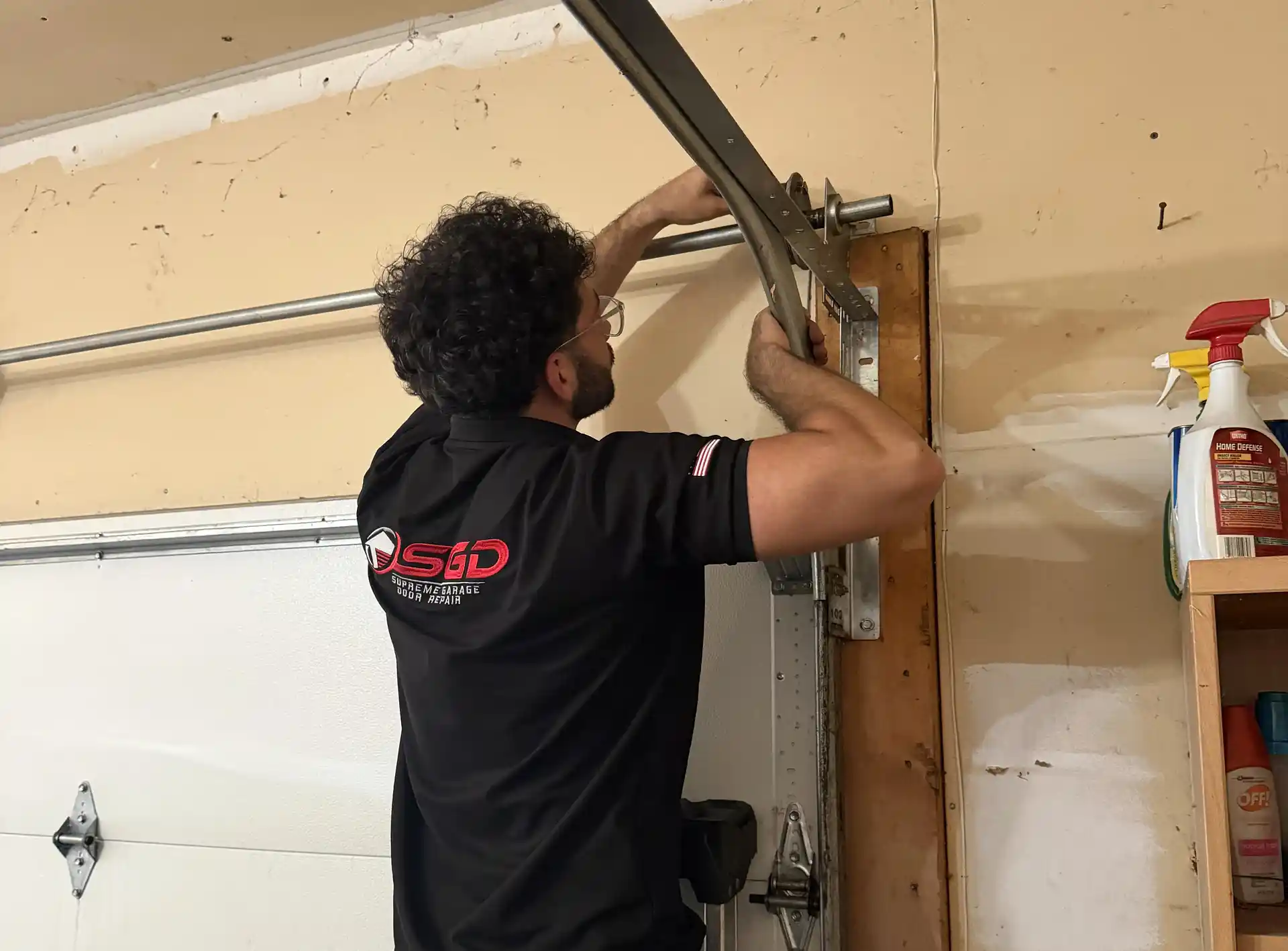
For homeowners in Dallas, Fort Worth, Garland, Carrollton, Frisco, Celina, Denton, Allen, Arlington, Irving, and surrounding communities, garage door problems can interrupt everyday routines.
A noisy door may indicate worn rollers or hinges. A struggling opener may point to a mechanical issue elsewhere in the system. An uneven door may involve damaged cables, springs, or tracks.
The important thing is identifying the root cause rather than treating every symptom as a separate problem.
Supreme Garage Door Repair provides garage door repair and maintenance services across North Texas, including:
Our goal is to help homeowners understand what is affecting their garage door and determine the appropriate service based on the condition of the system. Learn about garage door repair in Fort Worth.
If you're also planning ahead for colder weather and want to understand the factors that affect repair pricing, read our Dallas garage door repair cost and winter preparation guide.
Prolonged heat and sunlight can contribute to deterioration of certain materials, particularly rubber and vinyl weather seals. However, many garage door problems result from normal mechanical wear, age, and repeated use rather than temperature alone. A professional inspection can help determine the actual cause.
Grinding, squeaking, or rattling may involve worn rollers, hinges, loose hardware, bearings, or other moving components. The timing doesn't necessarily mean summer caused the problem. If the noise is new, getting louder, or accompanied by uneven movement, an inspection is recommended.
Possible warning signs include a visible gap in a torsion spring, sudden loud snapping sounds, difficulty opening, or uneven movement. Do not attempt to lift or adjust a door with suspected spring damage. Professional inspection is the safest approach.
A struggling opener can indicate an opener malfunction, but it may also result from damaged springs, rollers, tracks, or other mechanical resistance. The complete garage door system should be evaluated before deciding whether the opener needs repair or replacement.
Fall is a practical time to arrange maintenance, especially if the garage door has been used heavily or has not been inspected recently. A professional tune-up can evaluate wear, balance, safety features, and moving components. It cannot guarantee that future breakdowns will never occur.
As summer gives way to fall in North Texas, paying attention to your garage door's performance can help you identify problems before they become more disruptive.
Whether you've noticed grinding noises, uneven movement, worn weather seals, spring problems, or an opener that struggles to work consistently, understanding the warning signs is the first step.
Not every symptom requires a major repair, and not every component needs replacing simply because the season is changing.
Supreme Garage Door Repair helps homeowners throughout Dallas, Fort Worth, and surrounding North Texas communities identify garage door problems and find appropriate repair and maintenance solutions.
If your garage door is showing signs of wear or isn't operating normally, arrange a professional inspection to understand what needs attention. You can also review garage door repair costs in Dallas.
If your garage door is showing signs of wear or isn't operating normally, arrange a professional inspection to understand what needs attention.
