

Taking care of your garage door is essential. If you want it to work correctly, it needs maintenance. If something gets broken, you need someone to help you change it, like installing garage door torsion springs and cables. Please don’t try to change anything on your door by yourself. You need to get experts involved. The last thing you want is to get hurt.
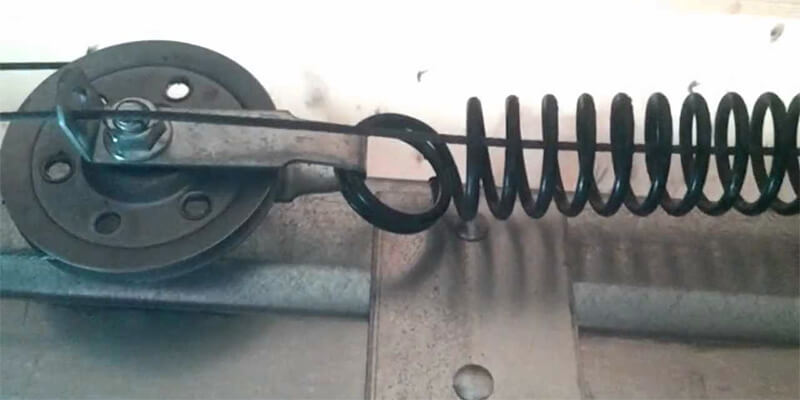
The most challenging thing you could need to change is your garage door extension springs. Those tend to break pretty often. Since they lift your whole door, they work overtime to lift and down it.
We are bringing this matter to your attention to introduce you to our top-of-the-line staff at Supreme Garage Door Repair. We have the most outstanding experts working for us. Therefore, if you call us, you will get the most impressive pros working for you. That is definitely what you want when you need help installing garage door torsion springs and cables. We will make sure your door will work perfectly in no time.
Reasonable Pricing
One thing that a lot of our customers worry about is money. Let’s be honest; installing garage door torsion springs and cables can be rather costly. But it won’t be with the help of our staff. We understand the need to keep the prices low. Or better said, as low as possible. So that is why we keep our prices as reasonable as we can. To make sure that all of our customers can afford to pay for our services.
Of course, the price for installing garage door torsion springs and cables will vary. Because it depends on the type of spring you choose for your door. You should get our team involved because our professionals know everything about them. You can choose between:
• Early set torsion springs
• Torque master torsion springs
• Double looped extension springs
• Standard torsion springs
• Open looped extension springs
• Steel rolling door torsion springs
• Clipped ends extension springs
You need help installing garage door torsion springs and cables. A decision needs to be made, yet you cannot do it without professional help. So, that is why you need to get our staff involved. To ensure that you are getting the correct garage door springs. Besides, it is crucial to hire someone that knows how installing garage door springs properly occurs. So, give us a call right now.
More Repairs
We have an incredible staff of mechanics at our disposal; we can do many things for you. Garage door torsion springs are not the only thing we can work on. Our experienced mechanics know everything there is to know about garage doors. Therefore, any garage door repair you may need will be in the safest hands. That is, of course, if you call our staff.
We have the greatest minds and the most incredible hands working for us. So, go ahead and make the right decision. Stop hesitating. Pick up that phone of yours and give us a call. We are ready to help with anything you need. After all, this is our area of expertise.
Question Your Neighbors
Do you know who you can ask about our Supreme Garage Door Repair staff? Your neighbors, of course! Since we have been working around TX for the last few years, they know everything about us. They know how good our professionals are. Also, they know how accurate they are in providing them with what they want.
Of course, they know how attentive to details our experts are, that’s why they call us. It is also for that reason that they only recommend our staff. Because they know that there is no other team they would trust. We always deliver.
You can get our great services for you too. Put your trust in your neighbors. Go on and follow their advice, pick up the phone and call us right away! If they have already recommended our staff, you should give us a chance to prove ourselves to you.
Everyday Help,
Did you know you can call our staff for help during the whole day? Yes! We are available 24/7. So, whenever you need our help, all you have to do is call. We will be there as soon as possible to solve any door problem you have. It doesn’t matter if you need installing garage door torsion springs and cables or anything else. We are at your disposal, so call us now!
We are waiting to give you a hand and help installing garage door torsion springs and cables. Contact us right this instant! Our TX professionals will be done in no time.