 Skip to content


A garage door is one of the largest moving systems in a home. When it gets noisy, crooked, stuck, or unreliable, it can impact daily access and safety. To repair garage door issues, start by identifying the real cause. Avoid replacing parts randomly.
Supreme Garage Door Repair assists homeowners. They also help businesses in Dallas-Fort Worth and North Texas. Our technicians check the entire garage door system. They will explain which parts need repair, adjustment, or replacement.
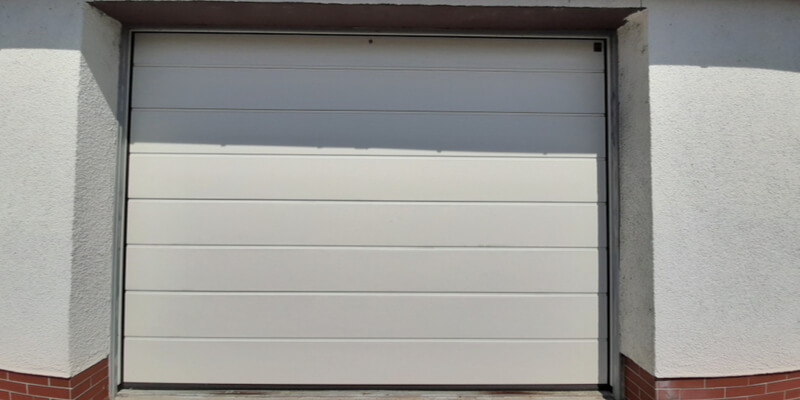
A garage door depends on several parts working together.
The system may include:
A problem with one part can affect several others.
For example, a broken spring may make the door feel extremely heavy. A damaged cable can make one side hang lower. Worn rollers can make the door noisy or uneven.
Supreme offers full garage door services for homes and businesses. This includes repair, installation, replacement, opener work, springs, cables, maintenance, and more.
Some garage door problems begin with small warning signs.
Ignoring them can allow more damage to develop.
Common signs that your garage door needs attention include:
If a door is crooked, hanging, or has a broken spring or cable, stop using it. Wait for an inspection before operating it again.
Professional garage door repair can help find the problem. A technician can tell if it’s one broken part or several related issues.
A garage door that will not open can have several possible causes.
Springs counterbalance much of the garage door's weight.
When a spring breaks, the opener may no longer be able to move the door normally.
You might notice:
A broken spring uses a high-tension lifting system. So, it should be fixed by a trained technician.
Supreme provides professional garage door spring service throughout North Texas.
The cables help transfer lifting force from the spring system to the garage door.
When a cable breaks or comes loose, one side may lose support.
That can make the garage door crooked or cause rollers to bind in the tracks.
The opener may also be responsible.
Possible issues include:
Don't blame the opener until the mechanical door system is checked too.
A garage door that opens but will not close often has a different set of possible problems.
Modern automatic garage doors use photo-eye safety sensors near the floor.
If the sensors are blocked, dirty, damaged, or misaligned, the opener might stop the door. This can prevent it from closing.
Safe homeowner checks can include:
Do not bypass or disable the safety sensors.
Objects inside the tracks can interfere with roller movement.
Debris, loose hardware, or physical track damage may stop the door before it reaches the floor.
An opener can reverse if its travel settings are wrong. It may also do this if it feels unusual resistance.
A technician can check if the issue is with the opener settings or if there’s resistance in the garage door.
A crooked garage door is a warning sign.
Common causes include:
Do not repeatedly operate a crooked door.
The door can bind in the tracks and may place more strain on the remaining lifting components.
Supreme provides expert garage door cable replacement. This service is for cables that are worn, frayed, loose, or broken. These issues can stop your door from moving properly.
Garage door rollers are designed to travel inside the tracks.
Several conditions can cause them to move out of position.
These may include:
An off-track garage door can become unstable.
Avoid trying to force it closed or manually push rollers back into place while the door is under load.
Not every noisy garage door needs major repair.
The type of sound can help point toward the problem.
Grinding can happen from:
Squeaking can be related to dry hinges, rollers, or other moving hardware.
Loose fasteners or worn components may create rattling during operation.
Popping or binding sounds can mean trouble. They may show that rollers, tracks, hinges, or door sections aren't moving well.
A loud bang from the garage may be a spring breaking.
If the door is hard to lift after the sound, stop using it. Then, schedule an inspection.
Not every damaged garage door requires full replacement.
Repair may make sense when:
Replacement may make more sense when:
The condition of the entire door should guide the recommendation.
Homeowners often assume that an automatic opener is responsible when the garage door stops moving.
Sometimes it is.
But the opener depends on a properly balanced mechanical door.
A broken spring, cable problem, damaged roller, or bent track can make the opener appear weak even when its motor is still working.
A technician should inspect the door before installing a stronger or newer opener.
The opener should move the door. It should not compensate for a damaged lifting system.
Some basic homeowner checks are reasonable.
You can safely look for:
But homeowners should avoid working on high-tension components.
Do not attempt to:
When you need to repair garage door lifting components, professional service is the safer approach.
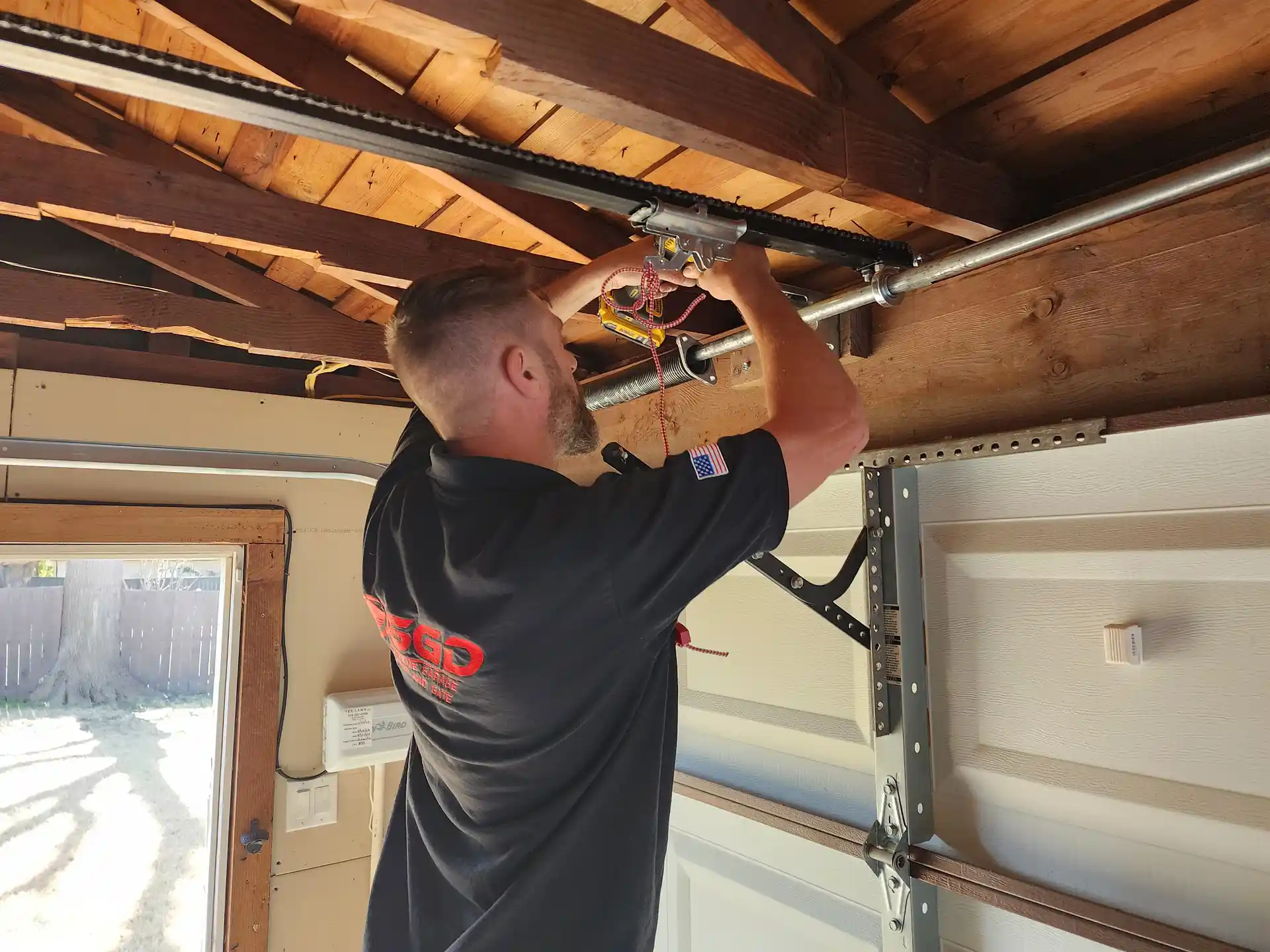
A professional repair begins with inspection.
The technician should determine why the problem occurred instead of only treating the most visible symptom.
The technician checks the door's overall condition and movement.
The springs are checked for damage, balance, and proper operation.
Cables should remain correctly positioned and show no serious fraying or damage.
Tracks and rollers are inspected for wear, alignment problems, or damage.
If the door itself is working properly, the opener, controls, sensors, and related components can be tested.
The damaged part is repaired, adjusted, or replaced based on the actual condition of the system.
The technician opens the garage door and checks its movement, balance, and safety systems. They also review the overall performance before normal use starts again.
Garage door parts do not operate independently.
A broken cable can affect the tracks.
A weak spring can make the opener work harder.
A damaged roller can create additional resistance.
Poor alignment can affect several moving parts.
That is why a complete inspection is often more useful than changing the first damaged component you notice.
The goal is to identify both the immediate failure and any condition that contributed to it.
No garage door lasts forever without wear, but routine checks can help identify problems earlier.
Pay attention to:
Do not wait for the door to stop working completely before addressing an obvious problem.
A change in sound or movement is often worth investigating.
Garage doors in Dallas-Fort Worth face hot summers, storms, moisture, dust, and temperature shifts.
These conditions can affect different components over time.
Metal hardware may develop wear or corrosion. Weather seals can deteriorate. Electronics, batteries, and opener components also operate in garages that may become very warm.
Weather alone does not explain every garage door problem.
Routine inspection, proper balance, and timely repairs remain important for dependable operation.

Supreme Garage Door Repair provides service throughout Dallas and surrounding North Texas communities.
Our technicians work with problems involving:
Supreme provides repair services for garage door systems in homes and businesses across the DFW Metroplex.
Homeowners in Carrollton can also learn more about garage door repair in Carrollton, TX.
A broken spring, damaged cable, opener failure, track problem, or another mechanical issue can prevent the door from opening.
If the opener runs but the door barely moves, stop operating it and have the lifting system inspected.
Stop using the door.
A crooked door may have a broken cable, cable off the drum, damaged roller, track problem, or uneven lifting system. Continued operation may cause more damage.
You should avoid doing so.
The opener is not designed to lift the full weight of a door when the spring system is no longer balancing it correctly.
Safety sensors, an obstruction, incorrect travel settings, or resistance in the door can cause reversal.
Check for obvious objects near the opening and sensors. If the problem continues, the system should be inspected.
Not always, but new or severe noises should not be ignored.
Grinding, popping, scraping, or sudden banging means parts might be worn or damaged. Check them right away.
It depends on the amount of damage, the condition of the door, available parts, recurring repair needs, and the cost of the repair.
A technician can explain whether repairing individual parts or replacing the door makes more sense.
Garage door cables work with spring-loaded components that may remain under significant tension.
Do not loosen drums, springs, or cable-connected bottom fixtures. Professional repair is the safer option.
There is no single schedule that fits every property.
Usage, age, environment, door type, and system condition all affect wear. Pay attention to changes in movement, sound, balance, cables, springs, and opener behavior.
A garage door issue may start with a spring, cable, roller, track, sensor, opener, or another part.
The visible symptom does not always reveal the real cause.
To repair garage door issues, start with a full-system inspection. This will show what failed and if any connected parts are also affected.
Proper diagnosis can help restore smoother movement, dependable access, and safer operation.
If your garage door is stuck, crooked, noisy, off track, or no longer operating correctly, Supreme Garage Door Repair can inspect the complete system and explain the appropriate repair.
Contact Supreme Garage Door Repair when you need to repair garage door problems throughout Dallas-Fort Worth and North Texas.
Schedule Garage Door Repair