 Skip to content


When your Garage Door Won’t Close and Light Blinks, the opener is usually warning you that something needs attention. In many cases, the problem involves blocked, dirty, or misaligned safety sensors. A wall-control setting, wiring issue, travel problem, or resistance in the door can also cause the opener to stop or reverse. Supreme Garage Door Repair helps homeowners identify the cause instead of guessing at parts. The opener works with sensors, tracks, rollers, springs, cables, controls, and electrical components, so one issue can affect the whole closing cycle.
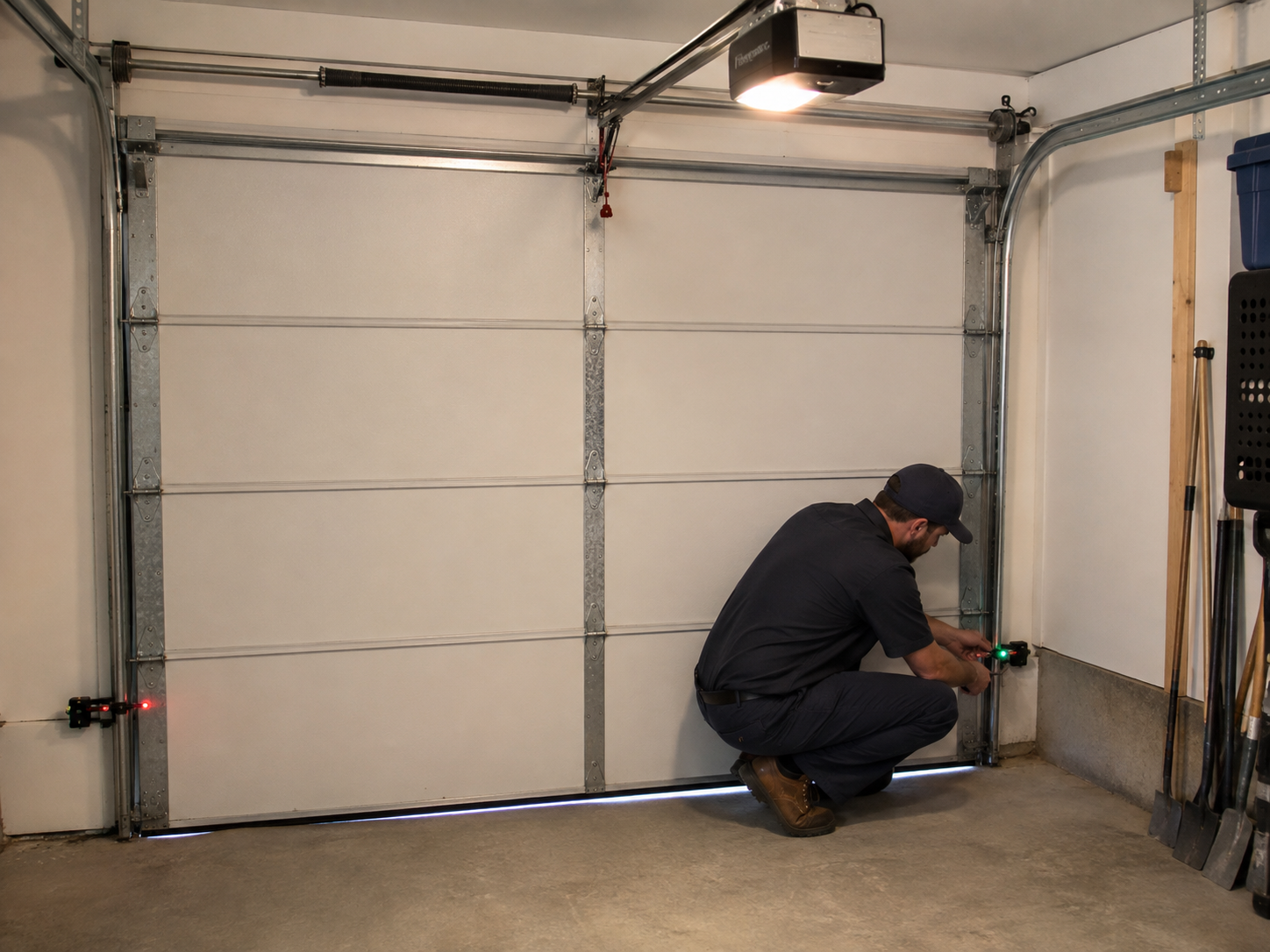
Safety sensors are one of the first things to check when a garage door starts closing and then reverses. Dirt, spider webs, storage items, sunlight, a bumped bracket, or damaged wiring can interrupt the sensor beam and stop the closing cycle. Blinking patterns also vary by opener brand, so LiftMaster, Chamberlain, Genie, and other systems may use different lights or codes. For more detail, Supreme’s garage door sensor yellow light causes and solutions guide explains common issues such as obstruction, dirt, alignment, and wiring.
A Garage Door Sensor Blinking issue often starts with alignment, dirt, or a blocked beam. Begin with the easy checks before touching any wiring or hardware.
The sensor lights should usually remain steady when the units are powered and aligned, but colors vary by brand and model. If one light flickers, goes out, or changes when the bracket moves slightly, the sensor may be loose or out of position. Do not open the motor housing or work on live electrical parts if you are not trained to do so. Supreme’s guide on how to fix a garage door sensor covers common sensor problems, including dirt, alignment, wiring, and sunlight interference.

Sensors are common, but a garage door may also stop or reverse because of opener settings, track problems, or mechanical resistance. Lock or vacation mode, recent programming changes, debris in the tracks, worn rollers, damaged hinges, or a crushed weather seal can all affect normal movement. If the door looks crooked, feels unusually heavy, or has a broken spring or loose cable, stop testing it because these parts can involve high tension. For more background on how photo-eyes protect the opening, Supreme’s garage door opener sensor guide explains the basic role of the sensor beam.
Blinking lights can help point to a problem, but the meaning depends on the opener brand and model. LiftMaster and Chamberlain units may use flash patterns for sensor alignment, blocked beams, wiring faults, or other diagnostic issues, while Genie systems may show status lights on the Safe-T-Beam sensors or motor unit. If the door starts to close and then reverses, check the opening and safety sensors first. If the lights keep flashing after the lenses are clean and the sensors are aligned, check the manual for your exact model or schedule an inspection. Avoid increasing force settings just to make the door close because that may hide a safety or mechanical problem.
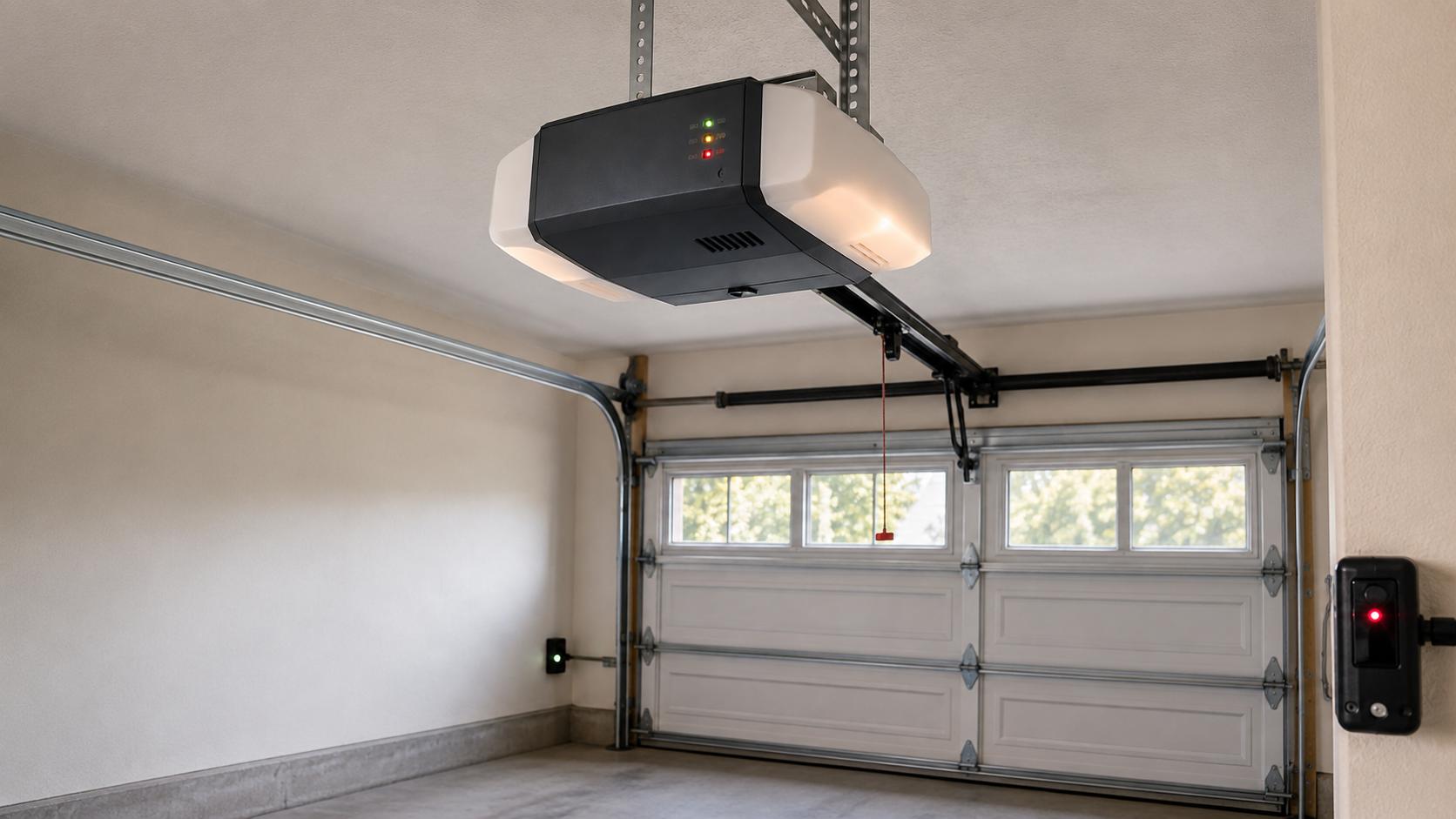
If your garage door will not close and the opener light keeps blinking, a few simple checks can help narrow down the cause. Keep people, pets, and vehicles away from the opening while testing the system.
After these checks, try one normal closing cycle and watch how the door responds. If it reverses again or the light keeps flashing, avoid pressing the button repeatedly because that can add strain to the opener and other parts. Never loosen torsion spring hardware, bottom brackets, or lifting cables. If the door feels unusually heavy or hard to control, stop testing it and have the system inspected.
Dallas heat, dust, storms, and normal daily use can affect sensors, wiring, moving hardware, and opener performance over time. A sensor bracket may get bumped, lenses may collect dust, or another door component may start adding resistance. Homeowners who need local help can visit Supreme’s Garage Door Repair Dallas. Supreme Garage Door can inspect the safety sensors, opener, wiring, tracks, rollers, springs, cables, and door balance to find out why the door will not close. A full inspection is useful when basic sensor cleaning and alignment checks do not solve the problem. The goal is to identify whether the issue comes from a simple obstruction, failed sensor, opener setting, damaged wire, or mechanical problem.
The opener may be warning you about a blocked or misaligned safety sensor, wiring issue, control setting, or another fault. Check the sensor area first and use your opener manual to confirm the light pattern.
Yes. Direct sunlight can interfere with some photo-eye sensors. The problem may appear only at certain times of day, so alignment and proper sensor positioning should be checked.
Not always. Sensor colors vary by brand and model. Some systems use different colors for the sending and receiving sensors. What matters most is whether the lights match the manufacturer’s normal operating pattern.
The safety beam may be blocked, the sensors may be misaligned, or the opener may be sensing resistance. Track problems, worn rollers, or other mechanical issues can also cause the door to reverse.
The sensors are an important safety feature and should not be bypassed for normal operation. If they will not stay aligned or do not work correctly, have the cause inspected and corrected.
A blinking opener light and a garage door that refuses to close often point to sensor trouble, but wiring, opener settings, tracks, rollers, or other components may also be involved. Start with simple checks such as clearing the doorway, cleaning the sensor lenses, checking alignment, and confirming the opener has power. If the door stays stuck, reverses, moves unevenly, or shows signs of spring or cable damage, stop testing it. Supreme Garage Door can inspect the full system and identify what is causing the closing problem. Call Supreme Garage Door at (972) 846-9991 to schedule service in Dallas or the surrounding North Texas area.
Contact Supreme Garage Door for professional sensor, opener, and garage door system inspection in Dallas.
Schedule Garage Door Opener Service