 Skip to content


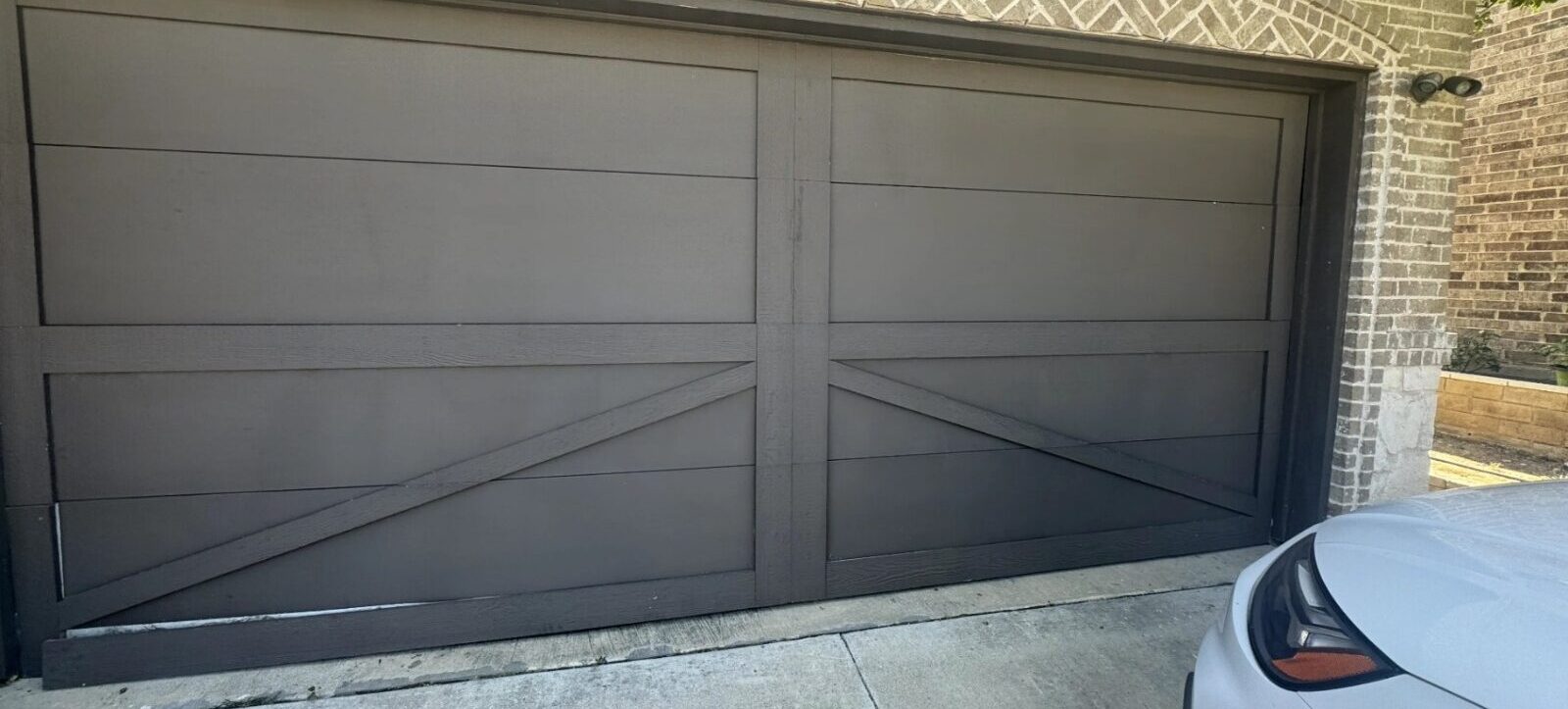
Accidentally hitting your garage door with a car can happen in seconds. You might misjudge the distance while reversing, press the accelerator too soon, or forget that the garage door hasn't fully opened. What looks like a small dent can sometimes involve more than the damaged panel.
If your car hit your garage door, the first priority is to make sure everyone is safe and avoid operating the door until you understand the damage. A vehicle impact can bend door sections, affect hinges or rollers, shift tracks, and interfere with the way the garage door opens or closes.
For homeowners across Dallas, Carrollton, Frisco, Irving, Fort Worth, and surrounding North Texas communities, getting the damage assessed before winter is particularly important.
Texas winters may be milder than those in northern states, but cold fronts can bring strong winds, rain, sudden temperature changes, and occasional freezing conditions. A damaged garage door that cannot close or seal properly may leave your garage exposed when those conditions arrive.
Whether your garage door has a small dent or significant impact damage, knowing what to do next can help you avoid further damage, unnecessary repair costs, and safety risks.
The minutes after an accident matter, especially if your vehicle has pushed the garage door out of alignment.
Before trying to move the door or inspect the damage closely, take the following precautions.
Put the vehicle in park, turn off the engine, and make sure everyone is safe.
If the collision caused injuries, an electrical hazard, or damage that makes the structure unsafe, contact the appropriate emergency service.
Do not continue driving against the garage door to push it back into position.
If the vehicle is tangled with the door or supporting hardware, avoid moving it until doing so has been assessed as safe.
One of the most common mistakes after hitting a garage door is pressing the opener button to see whether the door still works.
Avoid doing this.
The impact may have bent a panel, shifted a roller, or damaged a track. Attempting to operate the door could cause additional damage or sudden, unpredictable movement.
Even if the door appears almost normal from outside, the impact may have affected components that aren't visible from the driveway.
If possible, prevent anyone else from operating the opener until a professional has inspected the system.
You can observe visible damage without touching the garage door or entering an unsafe area.
Look for:
Do not stand beneath a damaged or partially open garage door, and don't attempt to straighten any parts.
If the door appears unstable, stop the visual inspection and keep people away from the opening.
Once the area is safe, take photographs of the damage from accessible positions.
Include the visible impact area, surrounding panels, and any gaps or misalignment you can see without touching the system.
These photographs can help you explain the problem when contacting a garage door repair company. They may also be useful if you need to discuss the incident with your insurance provider.
A trained technician can determine whether the damage is limited to one section or has affected the wider garage door system.
Supreme Garage Door Repair provides garage door repair services across North Texas, including inspection of damaged panels, rollers, tracks, cables, and related hardware.
If your garage door is stuck, crooked, or cannot close securely after an impact, explain the situation when scheduling service.
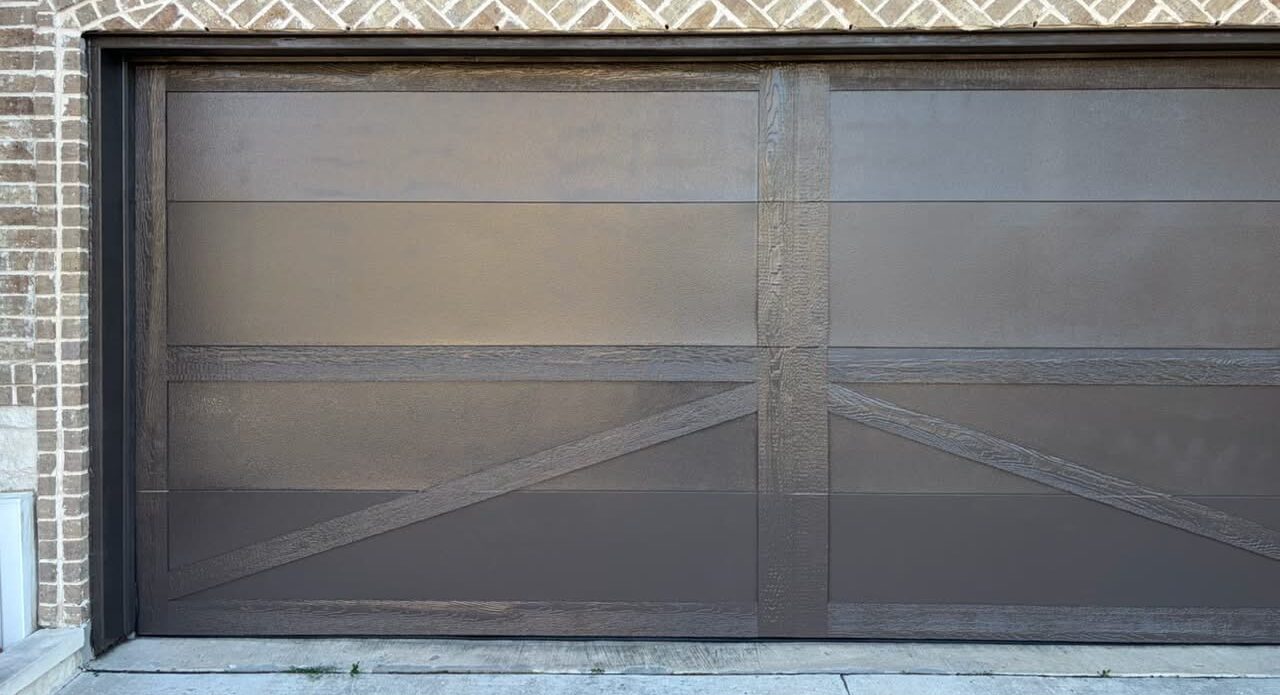
Not every dent is a serious structural problem. Some minor surface damage is cosmetic and may not affect the operation of the door.
However, the appearance of a dent does not always reveal how much force traveled through the garage door assembly.
A sectional garage door consists of connected panels, hinges, rollers, tracks, springs, cables, and an opener system.
When a vehicle strikes one section, other parts may also be affected.
The most obvious damage usually appears on the panel where the vehicle made contact.
Steel panels may develop sharp creases. Wood doors can crack or split. Aluminum sections may bend or become distorted.
A damaged panel can sometimes be replaced individually, but that depends on its condition, construction, and compatibility with the remaining door.
Deep damage near hinges, joints, or reinforcement points deserves particular attention because these areas contribute to the door's movement and structural integrity.
Garage door rollers travel through tracks mounted along the sides and ceiling of the garage.
A vehicle impact can shift the door sections and place unusual force on the rollers or tracks.
If the tracks bend or rollers become displaced, the garage door may jam, tilt, or move unevenly.
A visibly misaligned door should not be operated until it has been assessed.
Hinges connect the sectional panels and allow them to bend as the door moves around the curved portions of the tracks.
Impact damage can bend hinges, loosen fasteners, or affect reinforcement components.
A panel may still appear attached while its connecting hardware is no longer in suitable condition.
Garage door cables and springs are part of the counterbalance system that supports the door's weight.
A collision does not automatically damage these components, but significant displacement of the door can affect connected hardware and alignment.
If cables appear loose, the door hangs crookedly, or spring-related components show visible damage, do not attempt adjustments.
These parts can be under significant tension and require trained technicians.
The opener is designed to move a properly functioning, balanced garage door.
If a collision bends the top panel, damages the opener attachment bracket, or causes the door to bind, the opener may no longer operate correctly.
Continuing to use it can create additional problems.
A professional inspection should determine whether the opener, attachment hardware, and connected door assembly remain suitable for operation.
North Texas homeowners often prepare for winter by checking heating systems, weather seals, and exterior openings.
The garage door deserves attention as well, especially after accidental impact damage.
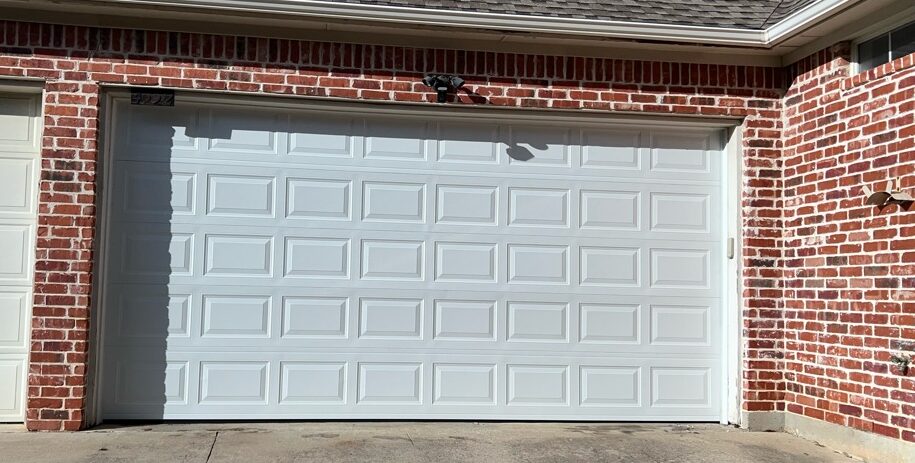
Unlike a small window or entry door, a garage door covers a large opening. If it no longer sits properly in its frame, outdoor conditions can enter through the resulting gaps.
If a panel is bent or the bottom edge no longer contacts the garage floor correctly, cold outdoor air may enter.
An attached garage can also influence the comfort of nearby rooms, depending on the home's construction, insulation, and air sealing.
A damaged garage door doesn't automatically cause significant heat loss throughout the house. However, visible openings can reduce the garage's ability to limit air movement.
North Texas cold fronts sometimes arrive with strong winds and rain.
If a vehicle impact leaves the garage door uneven, gaps may appear along the bottom seal, between panels, or at the sides.
Wind-driven rain can enter through these openings and leave moisture on the garage floor or stored belongings.
Water entering through a damaged door may also affect items kept close to the opening.
A door that cannot close completely creates an access and security concern.
A bent section or damaged track may prevent the door from reaching its fully closed position.
An opener that appears to have stopped working may actually be struggling with a mechanically damaged door.
These problems should be evaluated before the garage is relied upon for normal vehicle access or property protection.
The bottom weather seal is designed to contact the threshold when the garage door is correctly positioned.
After a collision, the bottom section may become bent or uneven, preventing the seal from sitting against the floor.
Replacing the rubber seal alone will not necessarily fix a distorted panel or misaligned door.
The underlying damage should be assessed first.
A damaged garage door may be inconvenient on an ordinary day. During colder or stormy weather, that inconvenience can become more disruptive.
Imagine discovering that your garage door cannot close just as a cold front approaches North Texas.
You may have to rearrange vehicle parking, protect stored belongings, and find a way to secure the property while arranging professional service.
These difficulties are easier to address before severe weather arrives.
There are three important reasons not to postpone an inspection when impact damage affects the door's operation.
First, damaged hardware may worsen with use. Repeatedly operating a bent or misaligned door can place additional stress on connected components.
Second, an improperly closing garage door can leave the property exposed. Gaps or an incomplete closure may allow wind, rain, and outdoor air inside.
Third, repair decisions are easier when you know the condition of the full system. A professional inspection can clarify whether a limited repair is appropriate or a larger replacement is necessary.
Winter preparation does not mean every dented garage door must be replaced.
It means dealing with damage that affects safety, movement, or the ability to close and seal the opening before weather conditions make the problem more inconvenient.
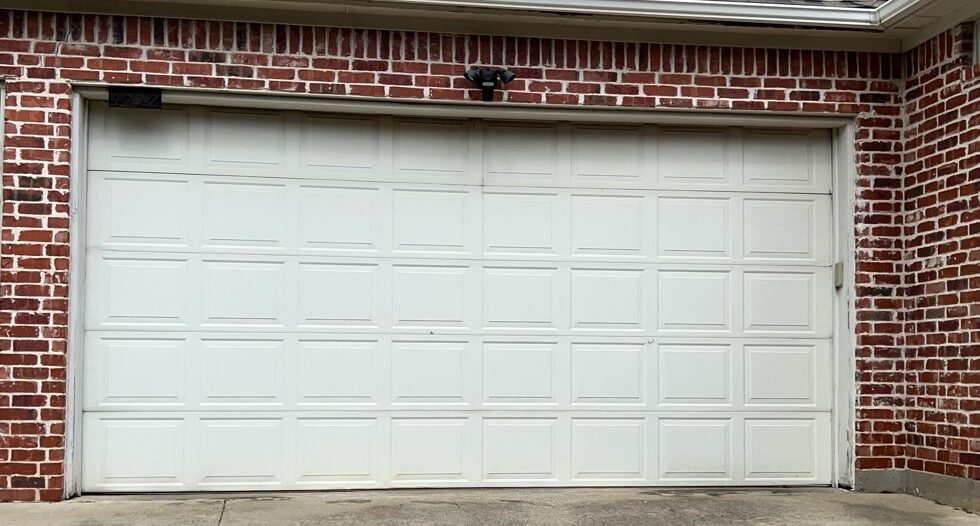
When a garage door has been struck by a car, a professional inspection should look beyond the most visible dent.
The technician needs to understand how the impact affected the entire door assembly before recommending repairs.
The inspection begins with the affected panels.
A technician may check whether the sections remain straight, whether panel joints are aligned, and whether hinges or reinforcement points have been distorted.
The severity and location of the damage help determine whether the panel can be retained.
Tracks and rollers must work together so the door can move through its intended path.
The technician evaluates whether the tracks are bent, shifted, or damaged and whether the rollers remain properly positioned.
If the garage door is off-track, professional garage door track repair or additional work may be necessary before safe operation can be restored.
The technician may also inspect connected lifting components, particularly if the door has shifted or become uneven.
This helps identify whether the impact affected the counterbalance system or whether unrelated wear is present.
Not every accident requires spring or cable replacement. Recommendations should be based on actual inspection findings.
Once the mechanical system has been assessed and made safe, the technician can evaluate the opener and appropriate safety functions, including whether garage door opener repair is needed.
This may include checking the opener attachment, controls, photo-eye sensors, and proper door movement.
Safety testing should follow the manufacturer's requirements and should only occur when the door is in a condition suitable for operation.
The inspection should also consider whether the door fits correctly within its opening.
If the impact affected tracks, mounting points, or the surrounding structure, additional evaluation may be necessary.
The technician can also identify whether weather seals remain effective or need attention as part of the repair.
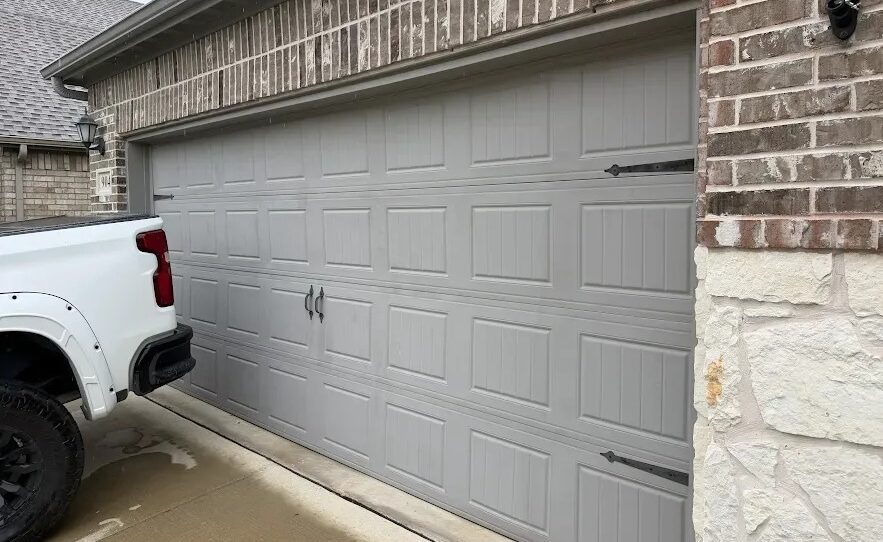
In some situations, yes.
A garage door that has been damaged by a vehicle may be repairable when the impact is limited and the rest of the system remains in sound condition.
However, repair suitability depends on much more than the appearance of the dent.
Replacing a damaged panel may be considered when:
Panel replacement can preserve much of the existing garage door, but the replacement section must match the door's mechanical and design requirements.
A panel that looks similar is not necessarily compatible with the original system.
A full replacement may be more appropriate when a collision causes extensive damage.
Examples include multiple damaged sections, significant distortion, unavailable replacement panels, or problems that make restoring the existing system impractical.
An older garage door with several unrelated mechanical problems may also warrant a replacement comparison.
However, homeowners should not assume that every vehicle impact requires a completely new door.
The recommendation should reflect the condition of the full garage door system.
For a more detailed comparison of these options, read our Garage Door Panel Replacement vs Full Door Replacement Guide.
If the damage is extensive, you can also explore professional garage door replacement services from Supreme Garage Door Repair.
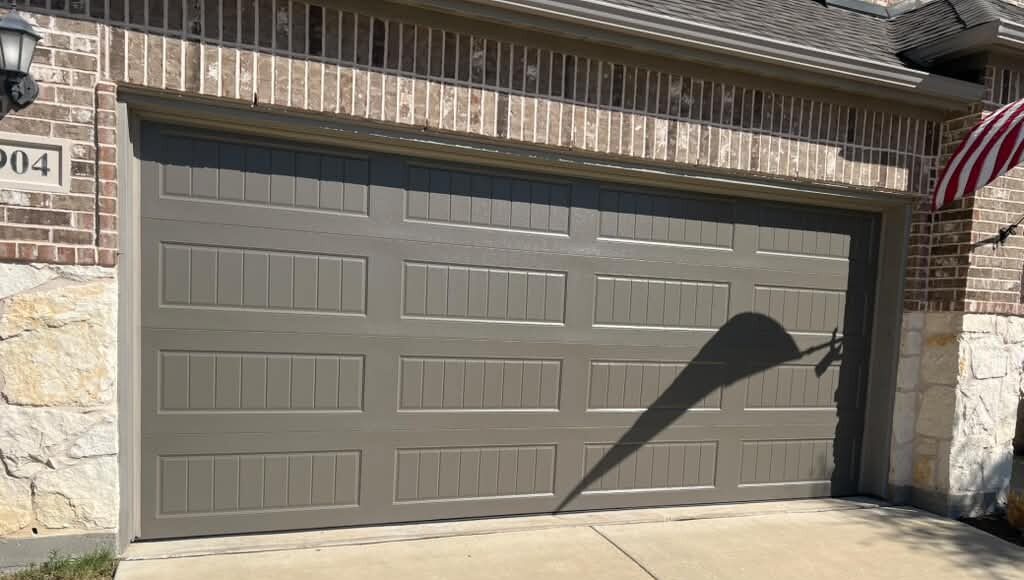
If a damaged garage door cannot be repaired immediately, focus on protecting people and property without trying to operate or modify an unsafe system.
Do not repeatedly test the opener.
If the door is bent, crooked, or off-track, leave it in its current position and keep others away.
Avoid pulling the emergency release simply to see whether the door can be lifted manually. A damaged or unbalanced door can move unexpectedly.
If your garage door is unstable, use a separate entry when possible.
Do not walk beneath a door that is hanging unevenly or appears unsupported.
If the vehicle is trapped inside the garage, tell the technician when arranging the appointment instead of attempting to force the door open.
If the garage connects directly to your house, make sure the interior entry door is properly closed and locked.
Move accessible valuables away from exposed areas when it is safe to do so.
If the garage cannot be secured, ask the repair company about appropriate temporary options.
If wind or rain is expected, relocate stored items away from potential water entry points, provided you can reach them without approaching an unstable door.
Do not attach boards, ropes, weights, or makeshift supports to damaged garage door components.
Temporary weather protection should not involve operating or altering a damaged door assembly.
Save your photographs and any notes about how the accident happened.
If you contact an insurance provider, ask what documentation is required and whether the damage may fall within your coverage.
Coverage depends on the policy and circumstances. Do not assume every garage door collision is covered.
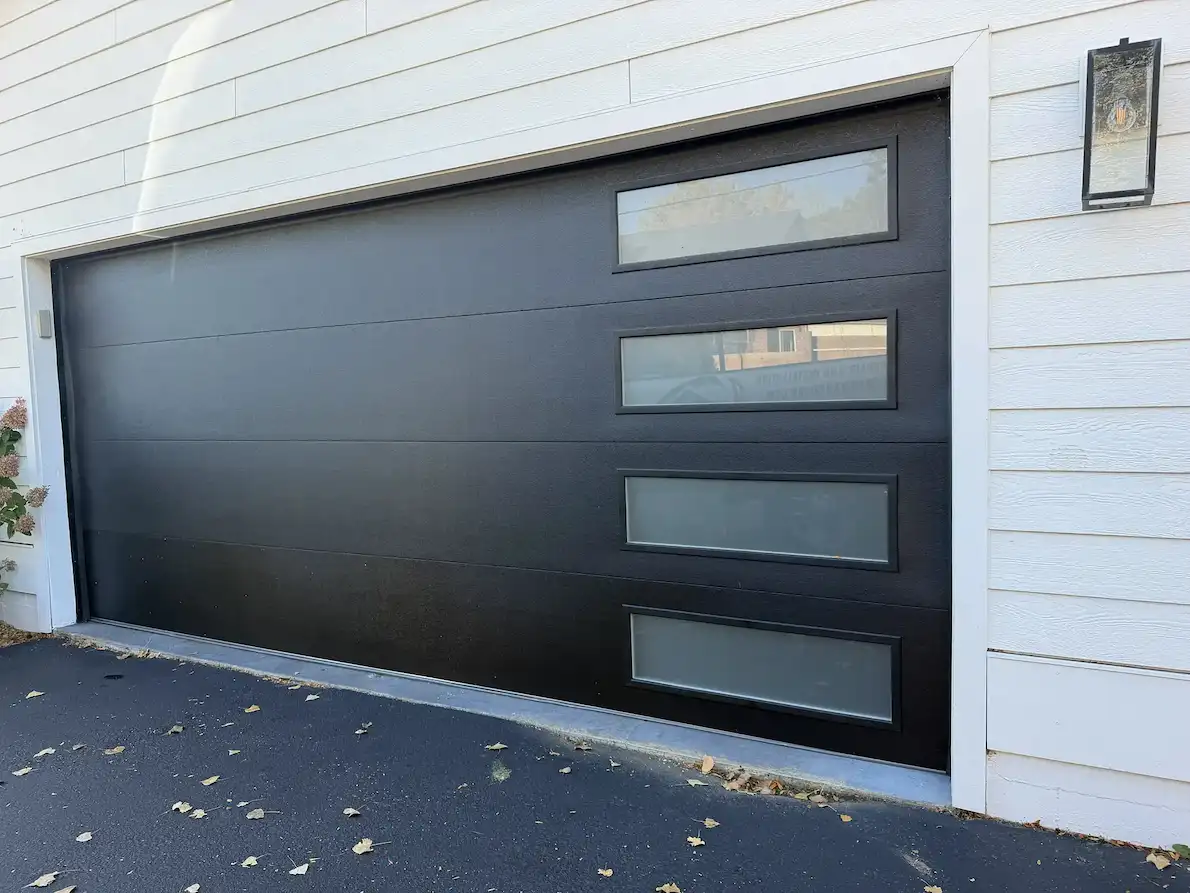
Once the impact damage has been professionally repaired, homeowners can take a few practical steps to prepare the door for North Texas winter conditions.
A properly repaired garage door should close to its intended position without unusual gaps, binding, or uneven movement.
Any continuing problems should be reported to the technician.
Check for visible gaps around the bottom and sides of the closed door. For additional seasonal guidance, see our garage door weatherproofing guide.
Weather seals should be in suitable condition and make appropriate contact with the surrounding surfaces.
If the door itself remains distorted, seal replacement alone may not solve the problem.
Ask the technician what inspection and operational tests were performed after the repair.
The door should only be returned to normal use after it has been properly evaluated and tested.
After the repaired door has been returned to service, pay attention to changes in its operation.
Grinding, scraping, shaking, or uneven movement can indicate that something still requires attention.
Avoid continuing to operate the system if these symptoms develop.
Winter readiness may also involve weather seals, lubrication of appropriate components, and routine maintenance.
However, these should not be confused with the repairs required after vehicle impact.
A garage door can have impact damage, ordinary wear, or both. Each issue should be evaluated on its own merits.
If your garage door has been hit by a vehicle, schedule an inspection when you notice visible deformation or any change in how the system fits or operates.
Professional attention is particularly important if:
These symptoms can indicate more than cosmetic damage.
The safest approach is to keep the system stationary and allow a trained technician to determine whether repair or replacement is appropriate.
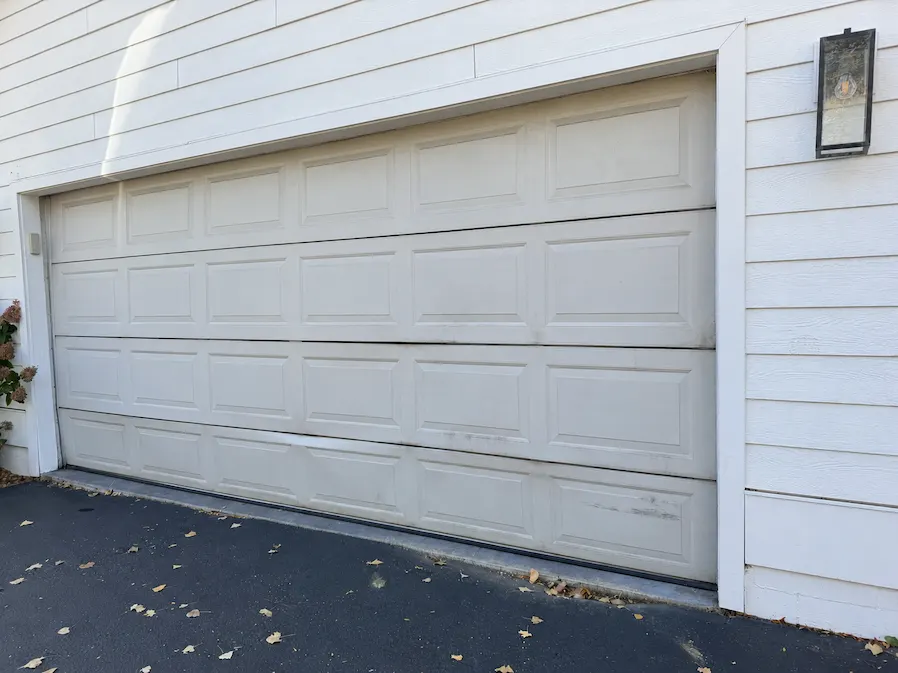
Accidentally hitting your garage door doesn't always mean you need a complete replacement. But even a relatively small collision can affect components that are difficult to evaluate from outside the garage.
Supreme Garage Door Repair provides professional garage door repair and replacement services for homeowners across Dallas, Carrollton, Frisco, Irving, Fort Worth, Garland, Allen, Arlington, Denton, Celina, and surrounding North Texas communities.
Our technicians inspect damaged panels, tracks, rollers, hinges, cables, and related hardware to determine the condition of the system.
Whether the appropriate solution involves replacing a damaged section, repairing affected hardware, or installing a new garage door, our team can explain the options based on the inspection findings.
If your car hit your garage door and it no longer opens, closes, or seals properly, don't postpone an assessment until the next Texas cold front.
Contact Supreme Garage Door Repair at (972) 846-9991 to discuss the damage and schedule professional service.
Stop the vehicle, check for injuries, and avoid operating the damaged garage door. Look for visible damage from a safe position, take photographs, and contact a trained garage door technician for an inspection if the door or its hardware has been affected.
Sometimes. Minor cosmetic dents may not affect operation, while deeper damage may require panel replacement. The appropriate solution depends on the panel material, extent of damage, and condition of the connected hardware.
Yes. A vehicle impact can distort garage door panels and transfer force to rollers, hinges, tracks, or mounting hardware. A technician should inspect these components before the door is operated if damage is suspected.
Do not operate a garage door that shows visible deformation, misalignment, or other signs of damage. Even if the opener responds, that does not mean the door is safe to move. Have the system assessed before returning it to normal use.
Coverage depends on your insurance policy, who was driving, the circumstances of the collision, and the applicable coverage. Contact your insurer to confirm whether the damage is covered and what documentation is required.
Not necessarily. If damage is limited to one section and the rest of the system remains sound, a compatible panel replacement may be possible. Significant or widespread damage may make full replacement more appropriate.
Impact damage can prevent a garage door from closing or sealing properly. During a North Texas cold front, gaps may allow wind, rain, or cold air into the garage. Addressing the damage beforehand helps restore normal access and protection.
No. Bending or repositioning a garage door track without appropriate training can create safety risks, particularly when the door is damaged or unstable. A professional should evaluate and correct the problem.
Repair time depends on the extent of the damage, parts availability, and whether the work involves a panel, track, supporting hardware, or complete replacement. A technician can provide a more accurate estimate after inspecting the system.
If your car hit your garage door, keep the damaged system stationary and arrange a professional assessment. Supreme Garage Door Repair serves Dallas and surrounding North Texas communities. Call (972) 846-9991 or schedule service below.
